Water has a funny way of becoming noticeable only when something about it feels wrong. Most of the time, you turn on the faucet without thinking twice. Then one morning the shower door looks covered in spots, your coffee tastes a little strange, or the kitchen tap leaves an odd smell behind.
Suddenly, water quality is on your mind.
The good news is that homeowners have more treatment options than ever. The less-good news? It can be confusing to figure out which system actually makes sense. There are softeners, filters, reverse osmosis units, whole-home systems, carbon cartridges, and plenty of products making big promises.
You don’t necessarily need the biggest system or the most expensive equipment. You need treatment that fits the water coming into your home and the problems you actually want to solve.
Start With the Problem, Not the Product
This sounds obvious, but it’s surprisingly easy to get backward.
Someone notices white scale on a faucet and immediately starts searching for a filter. Another homeowner dislikes the taste of their water and buys a softener. Neither approach is guaranteed to solve the underlying issue.
Water treatment technologies have different jobs.
water softeners are primarily designed to address hardness caused by minerals such as calcium and magnesium. Hard water can contribute to scale on fixtures, appliances, and plumbing components. It can also make soaps and detergents behave differently.
If hardness is the main concern, a softener may be appropriate. If the problem is chlorine taste, sediment, or a specific dissolved contaminant, another technology may be more suitable.
Knowing the problem first makes the rest much easier.
Hard Water Can Be a Daily Nuisance
Hard water isn’t always something you notice immediately.
Over time, mineral scale can build up around faucets, showerheads, glass doors, and appliances that use water. You may find yourself cleaning white deposits more frequently or using more soap than you’d like.
Water hardness varies significantly from one location to another, and even homes with similar water sources can experience different conditions because of plumbing and treatment differences.
Testing can tell you much more than looking at a showerhead.
If hardness is high enough to create practical problems, treatment can help reduce the mineral load throughout the home.
Reverse Osmosis Has a Different Role
Reverse osmosis is often discussed alongside water softeners, but the two systems are not interchangeable.
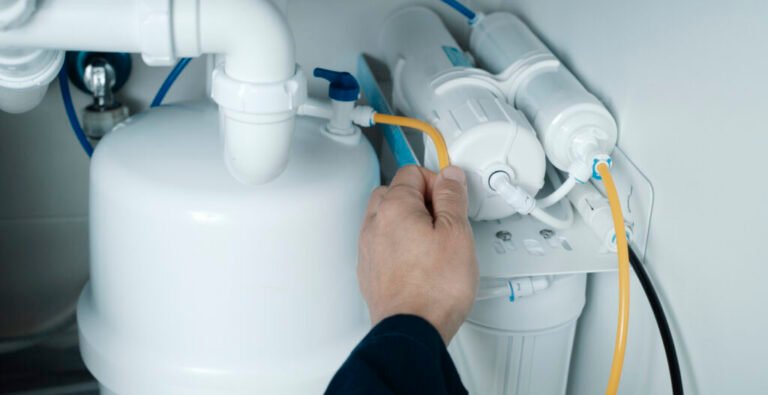
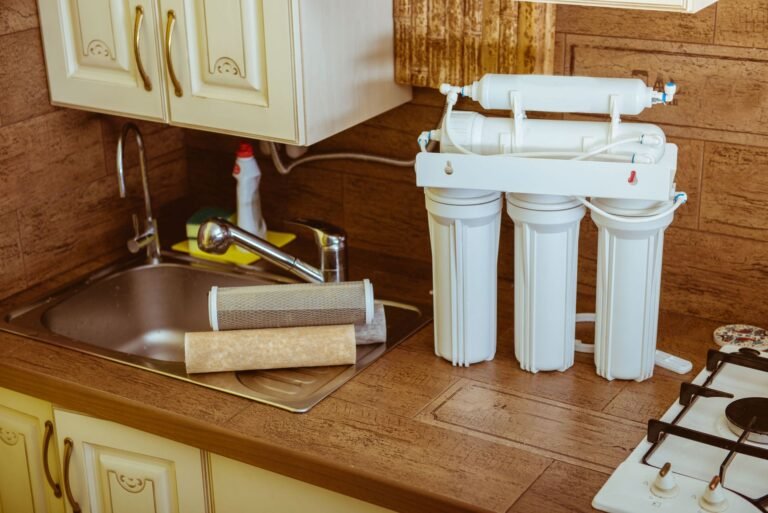
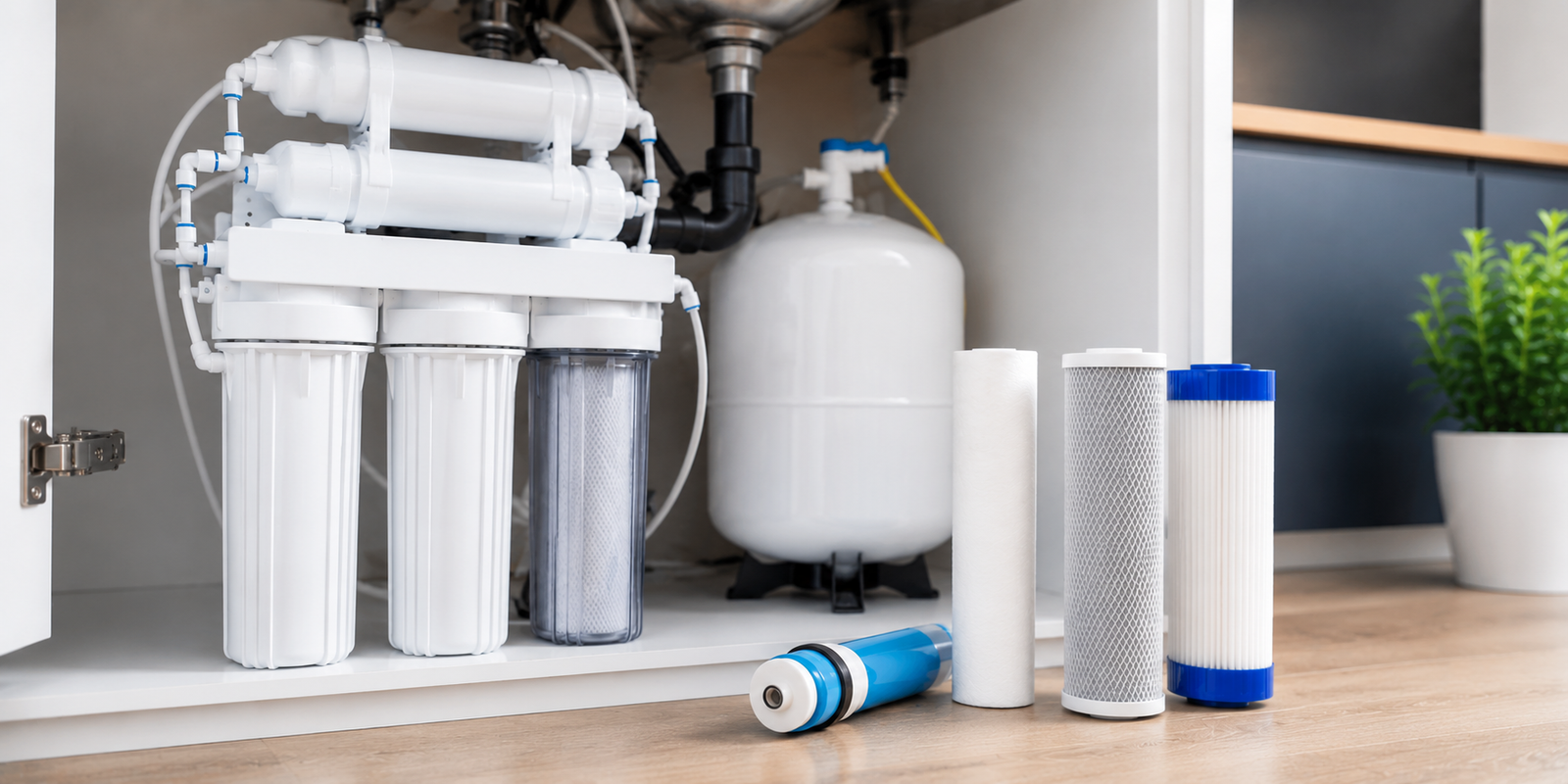
reverse osmosis systems use a semipermeable membrane to reduce many dissolved substances from water. Residential systems are commonly installed at a point of use, such as beneath the kitchen sink.
They’re often chosen when homeowners want additional treatment for drinking and cooking water.
Reverse osmosis can be highly effective for certain dissolved substances, but it also has considerations. Filters and membranes require maintenance, water pressure matters, and the process can produce a reject-water stream.
It’s not necessarily the right answer for every home. That’s okay.
The goal isn’t to install the most advanced technology available. It’s to install the technology that solves the specific issue.
What About Water That Looks Cloudy?
Cloudy water can be caused by several things, and appearance alone doesn’t provide the complete story.
Sometimes tiny air bubbles create a milky appearance that clears after the water sits. In other cases, suspended particles or sediment may be involved.
If the cloudiness is persistent, particularly when accompanied by unusual taste, odor, or color, investigate further.
A sediment filter may help with particulate matter, but it won’t automatically address dissolved substances.
This is another reason testing and diagnosis matter before buying equipment.
When Whole-Home Filtration Makes Sense
There are situations where treating water only at the kitchen sink isn’t enough.
If you want treated water throughout the house, whole-home water filtration systems can be designed to address certain concerns as water enters the property’s plumbing.
This may be useful when sediment, chlorine taste and odor, or another water-quality issue affects multiple fixtures.
Whole-home treatment can also help protect plumbing fixtures and appliances when the selected technology is appropriate for the problem.
But don’t assume a whole-home filter should replace every other treatment method. A household may still benefit from point-of-use treatment for drinking water depending on its specific needs.
Think About Flow Rate
One of the easiest specifications to overlook is flow rate.
A filtration system has to handle the home’s water demand. Imagine running the shower while someone starts a washing machine and another person turns on the kitchen faucet.
That’s normal household use.
If the system isn’t properly sized, pressure can drop or water flow may become frustratingly slow.
When comparing equipment, ask about rated flow, pressure requirements, and how the system performs under realistic conditions.
The cheapest system isn’t much of a bargain if everyone starts arguing over who gets to use the shower first.
Maintenance Is Part of the Decision
Every treatment system requires some level of care.
Filters need replacement. Softener components may need inspection. Reverse osmosis membranes have service intervals. Valves, fittings, tanks, and other components can eventually wear.
Before buying equipment, ask what routine maintenance involves and what replacement parts cost.
This matters because the initial purchase price doesn’t tell the whole story.
A system that looks inexpensive upfront may become costly if cartridges are expensive or need frequent replacement. Another system might cost more initially but offer longer service intervals.
Think beyond installation day.
Water Testing Can Save You Money
Testing is often the least exciting part of the process, but it’s one of the most useful.
A water analysis can provide information about hardness, pH, iron, manganese, total dissolved solids, and other characteristics. More targeted testing can be used when there is a concern about a particular contaminant.
This information helps prevent a common mistake: buying treatment based entirely on a symptom.
For example, rusty-looking stains could involve iron, but not every orange stain has exactly the same cause. Similarly, an unpleasant taste could come from chlorine, minerals, plumbing, or another factor.
Testing gives you something concrete to work with.
Don’t Forget Your Water Source
The source of your water matters.
Municipal water and private well water can have very different characteristics. Municipal supplies are generally treated before reaching homes, while private well owners are responsible for monitoring their own water quality.
Well water can change with groundwater conditions, weather, surrounding land use, and other factors.
If you’re on a private well, regular testing can be especially important. A treatment system should be selected around actual water conditions rather than assumptions about what “well water” normally contains.
Installation Quality Matters
Even excellent equipment can perform poorly when installed incorrectly.
Plumbing connections, bypass valves, drain lines, pressure, electrical requirements, and available space all need consideration.
Professional installation can also make future servicing easier because the system is configured with maintenance in mind.
If you’re doing a DIY installation, carefully follow the manufacturer’s instructions and local plumbing requirements. If anything about the setup is unclear, getting qualified help is usually cheaper than repairing water damage later.
Don’t Chase Perfection
There’s a tendency in water treatment to keep adding equipment.
One filter becomes two. Two become four. Suddenly there’s an impressive collection of tanks and cartridges in the utility room, but nobody can explain what half of them are doing.
That’s not necessarily better.
Every treatment stage should have a purpose. If testing doesn’t show a problem, there may be no reason to treat for it.
Good water treatment is targeted, practical, and maintainable.
The Right System Is the One That Fits Your Home
Choosing water treatment doesn’t have to feel like decoding a chemistry textbook.
Start with your water source. Identify the problems you’re actually experiencing. Test when appropriate. Learn what each treatment technology is designed to do, then consider flow rate, maintenance, installation, and long-term costs.
A softener can be excellent for hardness. Reverse osmosis can be useful for treated drinking water. Whole-home filtration can make sense when water-quality concerns extend across the property.
None is universally “best.”
The right choice is the one that fits your water, your household, and your priorities without creating unnecessary complexity.
Once it’s installed and maintained properly, you may barely think about the system again. And that’s really the point. Good water treatment should quietly make everyday life easier, one glass, shower, coffee, and load of laundry at a time.