
A water filtration or treatment system is one of those home improvements you tend to appreciate most when you stop noticing it.
The water tastes better. Fixtures stay cleaner. You don’t spend as much time wondering why the shower glass has another cloudy film on it. And, ideally, the equipment quietly does its job without demanding much attention.
But “low maintenance” doesn’t mean “no maintenance.”
Like an air conditioner, water heater or refrigerator, a treatment system performs best when someone pays attention to it from time to time. Filters become exhausted, components wear down and water conditions can change. Ignoring those details doesn’t necessarily cause an immediate problem, but performance can slowly decline.
A little routine care can make a surprisingly big difference.
Start With Why the System Was Installed
Before thinking about maintenance, remember what your treatment system is actually designed to accomplish.
Some systems are intended to improve taste and odor. Others address sediment, hardness or particular water-quality concerns. A reverse osmosis unit may be focused specifically on drinking water, while a whole-home system treats water throughout the property.
Knowing the purpose helps you recognize when something isn’t working properly.
If water that once tasted clean suddenly develops an unpleasant flavor, that’s a clue. If mineral deposits begin appearing again, another clue. Maintenance becomes much easier when you know what “normal” looks like.
Good Water Is Part of Everyday Wellness
People often associate water treatment with plumbing and appliances, but there’s also a personal side to it.
Having convenient access to water you enjoy drinking can support everyday health & wellness habits. When tap water tastes unpleasant, some people naturally drink less of it or rely more heavily on bottled beverages.
Of course, water treatment isn’t a magic health solution. A filtration system should never be marketed as a substitute for medical care or general healthy habits.
But making drinking water pleasant, convenient and appropriate for your household can encourage a better routine. Sometimes the simple things really do matter.
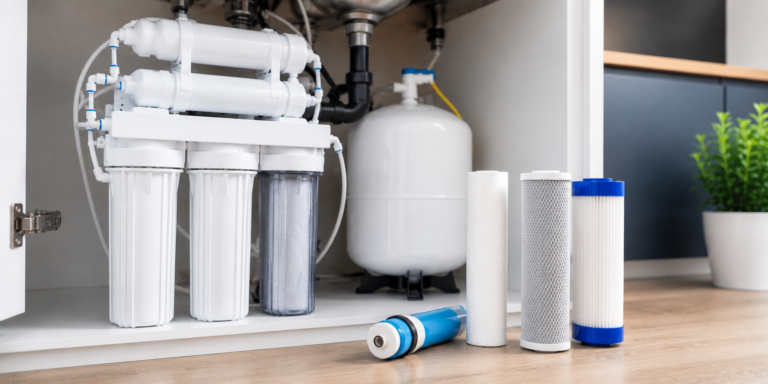
Filters Don’t Last Forever
One of the most common maintenance mistakes is forgetting about the filter.
It makes sense. A filter doesn’t look like something that’s doing much work. It’s hidden away, quietly treating water every day.
Yet that’s exactly why it eventually needs attention.
As filtration media collects the substances it’s designed to reduce, its performance can decline. How quickly this happens depends on water quality, household consumption, filter capacity and the type of system.
That’s why filter replacements should be treated as a normal ownership expense rather than an unexpected inconvenience.
Keep a note of when filters were installed. A calendar reminder can save you from trying to remember months later.
Don’t Wait for Bad-Tasting Water
Some homeowners replace filters only after they notice a problem.
By that point, the system may already have been operating beyond its recommended service interval.
Manufacturer guidelines provide a useful starting point, but actual replacement needs can vary. A busy household using large amounts of water may go through filtration media faster than a couple living in the same-size home.
Pay attention to changes, but don’t rely on taste alone.
A filter can become less effective without producing an obvious warning sign.
Regular Maintenance Is Easier Than Emergency Repairs
Routine care may sound boring, but it has an advantage: it’s predictable.
With regular maintenance plans, homeowners can schedule inspections, filter changes and system checks instead of waiting until something stops working.
Depending on the equipment, maintenance may include checking pressure, inspecting connections, sanitizing components or reviewing system settings.
Professional service can be especially useful for systems with multiple treatment stages or more complicated controls.
It’s not necessary for every homeowner or every system, but knowing help is available can provide some peace of mind.
Check for Leaks and Small Changes
You don’t need to be a plumber to perform a basic visual inspection.
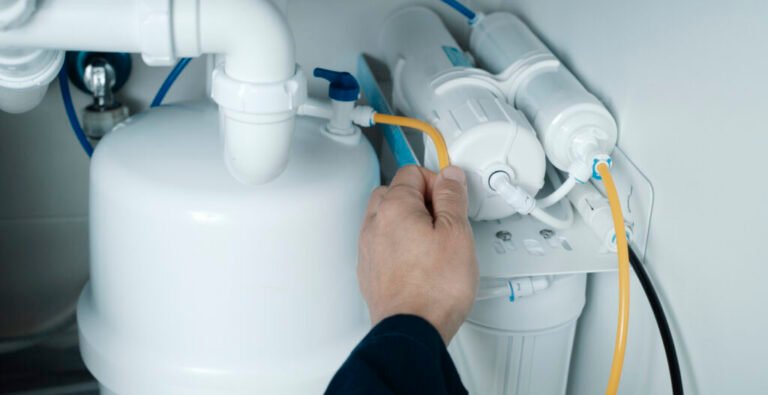
Every so often, look around the treatment equipment for moisture, drips, corrosion or unusual sounds. Check tubing and connections if they’re accessible.
A small leak isn’t always an emergency, but it shouldn’t be ignored either.
Also pay attention to water pressure. If flow suddenly seems weaker than normal, the treatment system may not be the cause, but it deserves a look.
Small changes are easier to address before they become big ones.
Keep the Installation Area Clean
The area around a treatment system doesn’t need to look like a showroom.
Still, excessive dust, clutter or standing moisture can make maintenance more difficult. Keep access clear so filters and other components can be reached when needed.
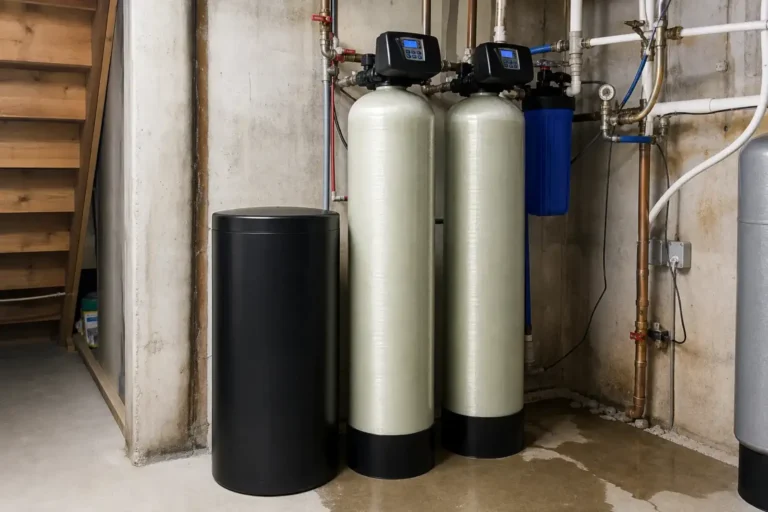
This is particularly useful if your system is installed in a garage, utility room or basement where household items tend to accumulate.
A clean, accessible installation area makes routine service quicker and less frustrating.
Remember That Water Conditions Can Change
Even a system that has worked perfectly for years may eventually need adjustment.
Water sources can change. Well conditions can shift. Household consumption may increase after a renovation or the addition of new family members.
A filter that was appropriately sized several years ago may no longer be ideal for your current usage.
That’s one reason periodic water testing can be useful, especially when there’s a noticeable change in taste, odor or appearance.
Don’t assume the system is the problem simply because the water has changed. Find out what changed first.
Don’t Overlook Appliances
Water treatment and appliance maintenance often overlap.
Hard water can contribute to mineral deposits inside water heaters, dishwashers, washing machines and other equipment. Sediment can also affect certain valves and components.
Improving water quality may help reduce some of that exposure, but it doesn’t eliminate the need to maintain appliances.
Flush the water heater when recommended. Clean dishwasher filters. Follow appliance-specific instructions.
Think of water treatment as one part of the home’s larger maintenance picture.
Follow the Manufacturer’s Instructions
This sounds obvious, but it’s worth saying.
Different systems have different requirements.
One filter may need replacement every few months. Another may last considerably longer. Some equipment requires sanitization, while other systems have components that should only be serviced by trained professionals.
Generic advice can only go so far.
Keep the owner’s manual somewhere easy to find, even if that means taking a photo of the important maintenance pages and saving it on your phone.
Future you will probably appreciate it.
Avoid DIY Repairs When the Problem Is Beyond You
There are maintenance tasks homeowners can reasonably handle, particularly straightforward filter changes.
But don’t force a connection, disassemble a pressurized component or modify equipment if you aren’t sure what you’re doing.
A small mistake can lead to leaks or equipment damage.
When in doubt, contact a qualified water-treatment professional. The cost of a service visit is often easier to swallow than repairing water damage caused by an avoidable mistake.
A Little Attention Goes a Long Way
The best water-treatment system is one that fits comfortably into your household routine.
You don’t need to obsess over it. You just need to remember that the equipment is working every day, and working equipment eventually needs care.
Replace filters on schedule. Watch for leaks. Keep the installation area accessible. Test the water when conditions change. Arrange professional service when the system calls for it.
These aren’t glamorous tasks, admittedly.
But they’re simple habits that can help maintain performance and extend the useful life of your equipment.
Ultimately, good water treatment should make life easier. When you give the system a little attention now and then, it can keep doing what you bought it to do: provide dependable water quality without becoming another household problem you have to think about every week.