Water quality has a quiet influence on everyday life. It affects how clean your dishes feel, how fresh laundry smells, how your skin responds after a shower, and how well household appliances perform. When water contains high levels of calcium and magnesium, these minerals can create problems that slowly become part of the routine. Cloudy shower doors, stiff towels, soap residue, and chalky deposits around faucets are often treated as normal household annoyances, but they may be signs of hard water.
Water softening can help address many of these concerns. By reducing the minerals responsible for hardness, a properly selected system can improve water performance and protect plumbing fixtures and appliances. The benefits are not always dramatic overnight, but over time, the difference can become noticeable in both comfort and maintenance.
Understanding the Effects of Hard Water
Hard water develops when groundwater passes through mineral-rich rock and soil, collecting calcium and magnesium along the way. These minerals are naturally occurring, and hard water is not automatically unsafe to drink. The concern is usually how it behaves inside a home.
When heated, hard water can leave behind scale deposits. These deposits may collect inside water heaters, pipes, showerheads, coffee machines, dishwashers, and other appliances. Soap and detergent may also react with the minerals, making it more difficult to create a rich lather and leaving behind residue.
Over time, the effects can become frustrating. A homeowner may clean the bathroom regularly, yet white spots keep returning. Laundry may feel rough even after using fabric softener. The issue is not necessarily poor cleaning habits; the water itself may be contributing to the problem.
The Role of Water Softening
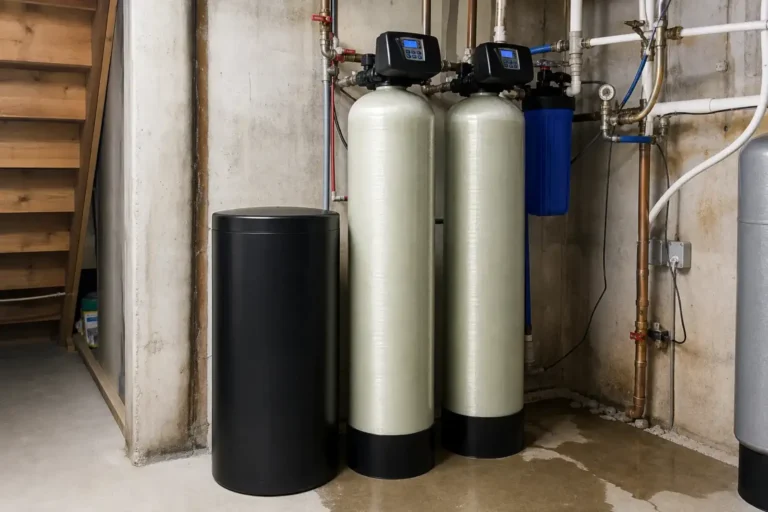
A water softener is designed to reduce hardness minerals before water reaches the fixtures and appliances throughout the property. Traditional salt-based softeners use ion exchange. Inside the unit, resin beads attract calcium and magnesium ions and exchange them for sodium or potassium ions.
Once the resin becomes saturated with hardness minerals, the system regenerates. During this process, a brine solution helps remove the collected minerals so the resin can continue working. Modern units often use metered controls that measure water consumption and regenerate when necessary instead of following a rigid schedule.
The result is water with lower hardness levels. This can support reduced scale buildup in areas where mineral deposits previously caused problems. While a softener cannot remove every contaminant, it can be highly useful when hardness is the main concern.
Protecting Plumbing and Appliances
One of the most practical benefits of water softening is the protection it may provide to household equipment. Scale buildup is particularly troublesome in appliances that heat water because heat encourages minerals to settle and harden on internal surfaces.
Water heaters, for example, may become less efficient when scale forms around heating elements or inside the tank. The appliance may need more energy to heat water, and the buildup can contribute to premature wear. Dishwashers, washing machines, kettles, and espresso makers can also experience mineral deposits.
Softened water may help reduce the frequency and severity of these deposits. It does not eliminate the need for maintenance, but it can lessen the mineral load that appliances must handle. In the long run, that may help reduce repair needs and extend equipment life.
A Difference You Can Feel in Daily Routines
The benefits of soft water are not limited to pipes and machines. Many homeowners notice changes in bathing, laundry, and cleaning once hardness is reduced.
Hard water can interfere with soap by creating a residue that does not rinse away easily. On skin, this residue may leave a dry or filmy feeling. Hair can also feel less manageable, particularly when mineral deposits accumulate over time.
With softer water throughout the home, soap and shampoo may lather more easily and rinse away more cleanly. Some people find that they need less product to achieve the same result. Towels and clothing may also feel more comfortable because mineral residue is less likely to collect in the fabric.
The experience varies from one household to another, of course. Water chemistry, personal preferences, cleaning products, and existing plumbing conditions all influence the results. Still, improved water feel is one of the reasons many families consider softening.
Cleaner Fixtures and Easier Housework
Hard water often leaves behind spots and deposits on glass, tile, sinks, bathtubs, and faucets. These marks may require frequent scrubbing or specialized cleaning products. Even after cleaning, the deposits can return quickly when the same hard water continues to flow over the surface.
Reducing hardness can make routine cleaning easier. Shower glass may develop fewer mineral spots, and faucets may remain cleaner for longer. Dishes washed in softened water may also show fewer cloudy marks, although dishwasher settings and detergent choice still matter.
This does not mean a softener removes existing scale instantly. Old deposits may need to be cleaned separately, and heavily affected fixtures may require replacement. The main benefit is that reducing hardness can help prevent the same buildup from returning as quickly.
Choosing the Right System for Your Property
Water softeners come in different sizes and configurations. Choosing the right model requires more than estimating the number of people in the home. Water hardness, daily consumption, peak demand, plumbing layout, and available installation space should all be considered.
A system that is too small may regenerate frequently and use more salt and water than expected. A system that is too large may cost more upfront and take up unnecessary space. Metered systems can be useful because they respond to actual water consumption rather than regenerating according to a fixed calendar.
The water source matters as well. Municipal water and private well water may have different treatment requirements. If the water contains iron, manganese, sediment, bacteria, or other contaminants, additional filtration may be necessary before or alongside softening.
Why Testing and Expert Guidance Matter
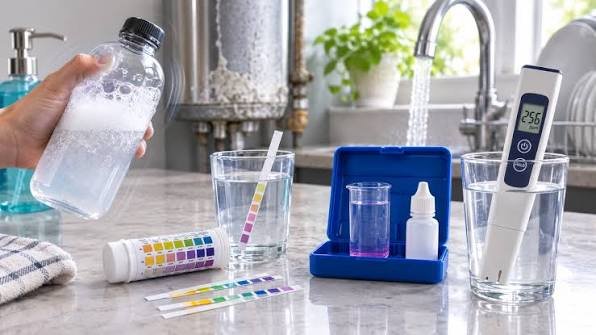
A water test should be the first step before investing in treatment equipment. Testing can confirm the hardness level and identify other conditions that may affect the system’s performance.
For households using well water, testing is especially important because water chemistry can change over time. A softener designed only for hardness may not address microbial concerns or certain dissolved contaminants. Knowing what is actually present helps prevent unrealistic expectations.
Working with a provider who offers expert guidance can also make the process more straightforward. A qualified professional can explain test results, calculate the appropriate system capacity, assess installation requirements, and recommend maintenance procedures. Homeowners should ask clear questions about salt consumption, regeneration, warranties, service intervals, and what the system is designed to remove.
Maintenance Should Not Be Overlooked
Water softeners require routine care to perform properly. Salt-based units need regular salt-level checks, and the brine tank should be inspected for buildup or bridging. Filters, valves, resin, and control components may also require periodic servicing.
The system should be checked if water begins showing signs of hardness again, such as renewed scale, poor soap performance, or mineral spots. Sometimes the issue is simply low salt, but it may also involve incorrect settings, a clogged injector, exhausted resin, or a mechanical fault.
Keeping a maintenance schedule helps prevent small issues from becoming expensive repairs. It also ensures that the system continues to deliver the expected level of treatment.
A Practical Investment in Home Comfort
Water softening is not necessary for every household, but it can be a worthwhile improvement when hardness causes persistent problems. By reducing mineral deposits, supporting appliance performance, and making cleaning routines more manageable, a properly designed system can offer benefits throughout the home.
The best decision begins with testing and realistic expectations. Homeowners should choose equipment based on actual water conditions, household demand, budget, and long-term maintenance needs. When selected carefully and serviced regularly, a water softener can make everyday water use more comfortable while helping protect the systems and appliances that keep a home running.