Water has a funny way of becoming noticeable only when something changes. Most mornings, you turn on the tap without thinking about where the water came from or what it picked up along the way. You make coffee, wash your face, fill a bottle, and get on with the day.
Then one morning the water smells different.
Maybe there’s a faint chlorine taste. Perhaps a glass has tiny particles floating in it. Or the showerhead has developed another layer of stubborn scale that seems to appear overnight. These aren’t necessarily signs of a serious problem, but they are good reasons to stop and take a closer look.
Water treatment works best when it’s based on what the water actually needs, not on a generic promise printed on a product box.
Start With the Source
Every water-treatment conversation should begin with the source.
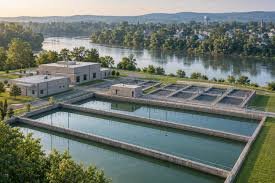
Municipal water and private well water have different characteristics and different considerations. A city supply is treated before distribution, while a private well depends heavily on local groundwater conditions and the condition of the well itself.
Even then, the story doesn’t end at the property line. Water travels through pipes, valves, tanks, fixtures, and appliances before you drink or use it.
That’s why a change in water quality can sometimes come from the plumbing rather than the original water source.
Understanding where your water comes from helps narrow down where a problem might be developing.
Testing Gives You Something Concrete to Work With
Our senses are useful, but they’re limited.
You can notice a strange odor or unusual taste, but you can’t reliably determine the concentration of many dissolved substances simply by looking at a glass.
A detailed water analysis can provide a much clearer picture. Depending on the type of test, it may examine hardness, pH, iron, manganese, dissolved solids, or other characteristics.
The goal isn’t to create a scary list of everything that exists in the water. It’s to understand which characteristics matter for your household and whether treatment is actually warranted.
Testing before buying equipment is usually money well spent.
Different Water Concerns Need Different Answers
There’s no universal filter that does everything.
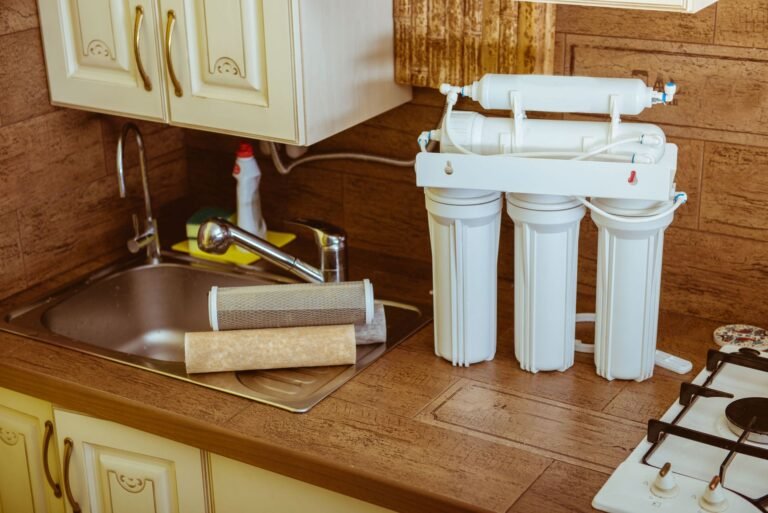
Sediment filtration is useful for physical particles. Activated carbon can address certain tastes and odors. Water softeners are designed to reduce hardness. Reverse osmosis can reduce many dissolved substances under appropriate conditions.
Disinfection serves another purpose entirely.
When microorganisms are the concern, disinfection methods may be considered depending on the water source and the specific risk. Ultraviolet treatment, for example, can be used in some systems to inactivate microorganisms, while other situations may require different approaches.
The key is matching the technology to the problem.
Hard Water Can Affect the Whole House
Hard water is rarely dramatic. It tends to be persistent instead.
You see white deposits around faucets. Shower doors become harder to keep clean. Soap behaves differently. Appliances that heat water may develop mineral buildup.
Calcium and magnesium are the primary minerals responsible for water hardness. They aren’t automatically harmful, but high hardness can create maintenance and comfort issues.
If testing confirms significant hardness, a suitable softening system may help reduce those effects.
The right capacity matters, too. A system designed for a small household may struggle in a larger home with multiple bathrooms and heavy water use.
Sediment Shouldn’t Be Ignored
Sediment can enter a home through several routes.
Private wells may carry naturally occurring particles. Plumbing disturbances can loosen accumulated material. Construction or maintenance work may temporarily increase sediment in a supply.
Small amounts may be mostly a nuisance, but persistent sediment can clog aerators and filters or interfere with downstream treatment equipment.
A properly selected sediment filter can help, but filter size and capacity should match the actual conditions. Choosing an extremely fine filter isn’t automatically a smart move if it becomes clogged every few days.
Sometimes a slightly different filtration strategy works better.
Consider the Whole Plumbing System
It’s tempting to focus entirely on the kitchen because that’s where drinking water matters most.
But water touches nearly every part of a house.
The shower, dishwasher, washing machine, water heater, bathroom faucets, and outdoor fixtures all depend on the same incoming supply. If hardness or sediment is affecting the water, those problems can appear in several places at once.
A whole-house treatment approach can make sense when the concern is widespread. Point-of-use treatment may be more appropriate when the issue is limited to drinking or cooking water.
Neither approach wins automatically. The water and the household decide.
Installation Is Part of the Treatment
Buying the correct equipment is only half the job.
Installation affects performance.
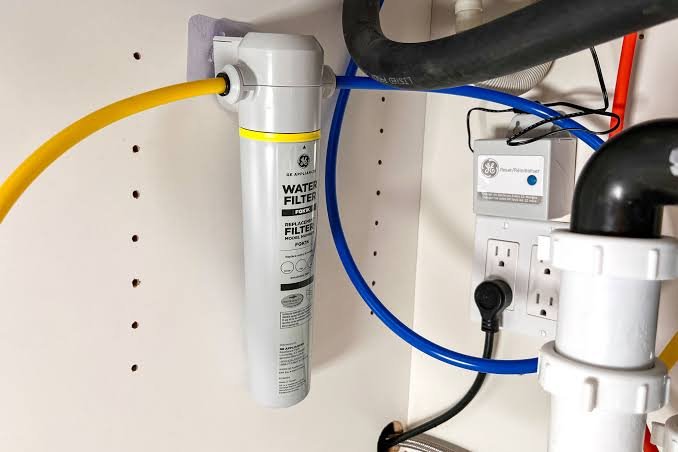
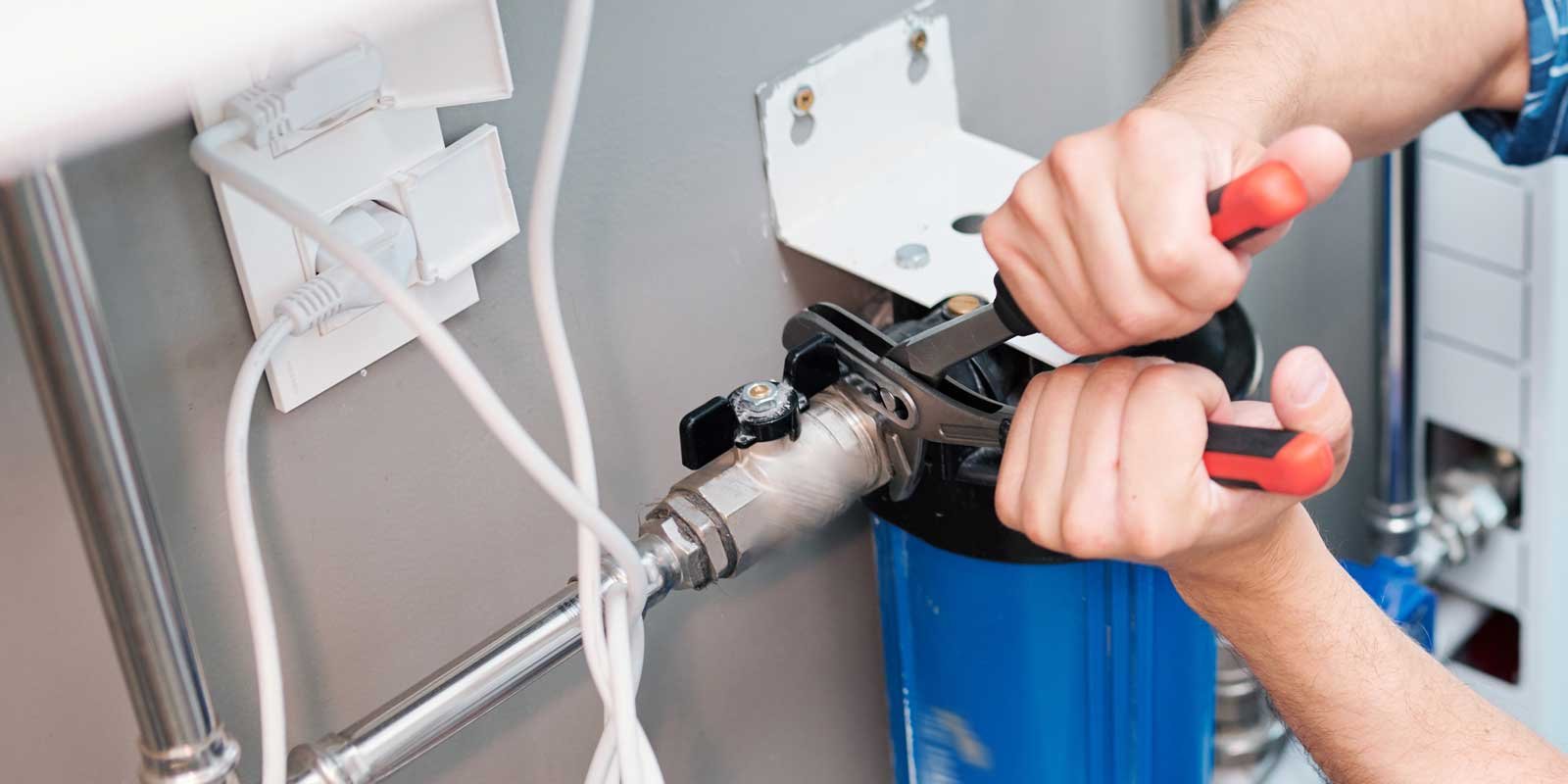
Flow direction, plumbing connections, drainage, available pressure, electrical requirements, and equipment placement all need consideration. A system that looks excellent on paper can perform poorly if it’s installed in the wrong configuration.
This is particularly important for systems that include several treatment stages.
Good installation should also leave enough space for future maintenance. There’s nothing quite like discovering that the filter housing is wedged behind a pipe where nobody can reach it comfortably.
Plan for the person who will service the system later — even if that’s you.
Water Pressure Deserves a Closer Look
Treatment equipment interacts with the home’s plumbing, so pressure matters.
A clogged filter can restrict flow. Some systems need adequate pressure to operate properly. Reverse osmosis systems, for instance, rely on pressure to push water through their membranes.
If pressure is already low, investigate the cause before adding equipment.
A professional can determine whether the restriction comes from the treatment system, household plumbing, valves, or another component.
That kind of diagnosis is far more useful than replacing filters randomly.
Maintenance Keeps the System Working
Water treatment isn’t a one-time purchase.
Filters have service lives. Softener systems need routine attention. Reverse osmosis membranes eventually need replacement. UV systems, where used, may also have specific maintenance requirements.
Skipping these tasks can reduce performance gradually, which makes the problem difficult to notice at first.
Keep a simple maintenance log. Write down installation dates, filter replacements, service visits, and anything unusual you’ve noticed.
It doesn’t need to be fancy. A note on your phone is perfectly fine.
Integration Matters When Systems Work Together
Homes with several treatment technologies need a little more planning.
A sediment filter may need to be placed before another treatment stage. A softener may protect downstream equipment from hardness. Drinking-water filtration may be installed after whole-house treatment.
The order isn’t arbitrary.
Proper tailored system integration helps each component perform its intended role while making maintenance easier to understand.
A professional assessment can help determine which components are actually necessary and how they should work together.
Don’t Let Marketing Choose Your Water Treatment
Water-treatment advertising can be persuasive. “Maximum purification” sounds better than “appropriate treatment,” even when the second option is actually more useful.
Try to look past the language.
Ask what the equipment is designed to reduce. Ask what it doesn’t address. Ask how often filters need replacing and what those replacements cost.
Also ask whether the system has been selected based on your water test results or simply recommended as a standard package.
A good treatment decision should be explainable in plain English.
Sometimes the Best Solution Is Smaller
More equipment isn’t automatically better.
If your water is already suitable for most household uses and your only complaint is taste at the kitchen faucet, a point-of-use system may be enough.
If hardness is affecting the entire house, broader treatment could make more sense.
And if testing doesn’t identify a meaningful concern, there may be no reason to install anything.
That’s an important part of responsible water treatment: knowing when not to add another device.
Think About the Years Ahead
The initial installation is only one moment in the life of a treatment system.
Consider replacement filters, service availability, water use, operating costs, available space, and whether the system can be adjusted if household demand changes.
A system that costs slightly more upfront but is easy to maintain may be more practical over several years than a cheaper system with expensive or difficult-to-find replacement parts.
Long-term convenience matters.
Better Water Starts With a Thoughtful Approach
Water treatment doesn’t need to be mysterious or overwhelming.
Start with the source. Test when appropriate. Identify the actual concern. Choose technology that addresses that concern, then install and maintain it properly.
Don’t treat every problem as a reason to buy more equipment. And don’t assume clear water means there’s nothing worth investigating.
A well-designed system should quietly support the home rather than become another complicated project to manage.
In the end, the best water treatment is rarely about having the most technology. It’s about having the right technology, working in the right place, for the right reason.
When those pieces come together, the reward is pleasantly simple: water that behaves the way you expect, equipment that works reliably, and one less household problem demanding your attention.