
There’s a moment when a small water problem stops feeling small. Maybe the showerhead has developed another layer of white buildup, the laundry looks a little dull, or the water from the kitchen tap has an odd taste that wasn’t there a few months ago. You clean things, rinse things, maybe blame the pipes. Then it happens again.
That’s usually when homeowners start looking into water treatment.
And honestly, the hardest part isn’t finding equipment. There are plenty of filters, softeners, purification products, and treatment systems on the market. The harder question is figuring out which one actually makes sense for your home.
Water quality is personal in that way. Two houses on the same street can have very different concerns, particularly when one relies on a private well. A good solution begins with understanding the water rather than guessing.
Start With What’s Actually in the Water
Before buying anything, test the water. It sounds obvious, but it’s surprisingly easy to skip.
A water analysis can reveal hardness, pH, iron, manganese, sediment, bacteria, and other characteristics that aren’t necessarily visible. Some issues are easy to notice because they leave stains or create odors. Others are completely invisible.
The water source matters, too. Municipal water is treated and monitored differently from private well water, which means homeowners may need different testing and treatment strategies.
Testing doesn’t have to become an overwhelming project. Think of it as getting a map before taking a long drive. Once you know where the problem is, choosing a route becomes much easier.
Not Every Filter Does the Same Job
“Water filter” is a broad phrase. It can mean many different things.
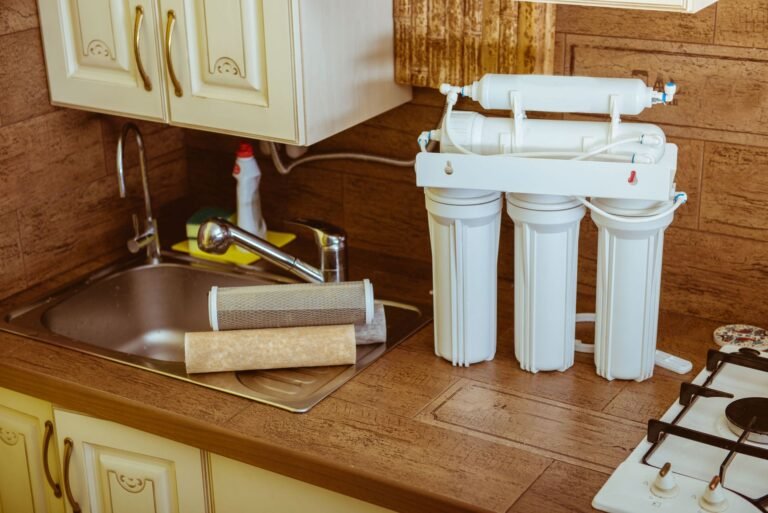
A basic sediment filter can capture particles such as sand, rust, and other suspended material. Carbon filtration may help reduce certain tastes, odors, and chemicals. A softener is designed primarily to reduce hardness minerals. Reverse osmosis can reduce many dissolved substances from drinking water.
This is where specialty filtration becomes useful. When a particular water concern has been identified, treatment can be selected specifically for that issue rather than relying on a one-size-fits-all product.
That distinction matters. A filter that works beautifully for sediment isn’t necessarily designed to address dissolved contaminants. Buying the wrong technology can leave you with an expensive piece of equipment that never really solves the original problem.
Well Water Deserves Extra Attention
Private wells can provide excellent water, but homeowners are responsible for understanding and monitoring their own supply. Groundwater conditions can change because of seasonal activity, nearby land use, flooding, agricultural practices, septic systems, or other environmental factors.
Common well-water concerns can include hardness, iron, manganese, sulfur odors, sediment, bacteria, and nitrates. Not every well has these issues, of course. That’s precisely why testing matters.
The most practical well water solutions are built around actual test results. If a well has a sulfur odor, the treatment strategy should address the cause of that odor. If iron is creating staining, treatment should be selected accordingly. If bacteria are detected, disinfection and professional guidance become especially important.
The idea is simple: diagnose first, treat second.
Hard Water Can Wear on a Home
Hard water is rarely dramatic. It doesn’t usually announce itself with a loud bang or a flooded basement. Instead, it slowly leaves its mark.
White scale appears around faucets. Shower glass becomes harder to keep clean. Soap may not rinse as easily. Appliances that heat water can develop mineral deposits internally.
A water softener can help reduce hardness and the scale associated with it. For many households, that can mean cleaner fixtures and less routine maintenance.
Still, softening isn’t a universal answer. If hardness is only one part of the water-quality picture, additional treatment may be needed. Again, it comes back to knowing what’s actually present.
What About the Air Inside the House?
Water isn’t the only part of a home environment worth considering. Indoor air quality can also affect comfort, particularly in tightly sealed homes where air doesn’t circulate as freely as it once did.
Dust, odors, airborne particles, and certain biological pollutants can contribute to an indoor environment that simply doesn’t feel fresh.
That’s where air purification can complement other home-quality improvements. Depending on the technology, air-cleaning equipment may help reduce certain airborne particles and improve overall indoor air conditions.
Water treatment and air purification aren’t interchangeable, obviously, but they share an important principle: identify the concern first and choose equipment designed to address it.
Think About the Whole Household
It’s easy to focus on one annoying symptom. Maybe the kitchen water tastes strange, so the immediate instinct is to install a filter under the sink.
Sometimes that’s exactly the right answer.
But if the same water is causing problems in the bathroom, laundry room, and appliances, a point-of-use filter may not be enough. A whole-house treatment system could make more sense.
On the other hand, if the concern is limited to drinking water, treating every gallon entering the home could be unnecessary. There’s no prize for owning the largest treatment system.
The best approach is the one that fits your actual water use.
System Size Matters More Than It Seems
Water treatment equipment needs to keep up with household demand. A system that’s too small may struggle during periods of high use, while an oversized system can cost more without offering meaningful benefits.
Consider the number of people living in the home, bathrooms, typical water usage, and peak demand. A family getting ready for school and work on a weekday morning can put very different demands on plumbing than a quiet Sunday afternoon.
Proper sizing is one of those behind-the-scenes details that you might never think about when the system works correctly. And that’s a good thing.
Maintenance Keeps Good Equipment Working
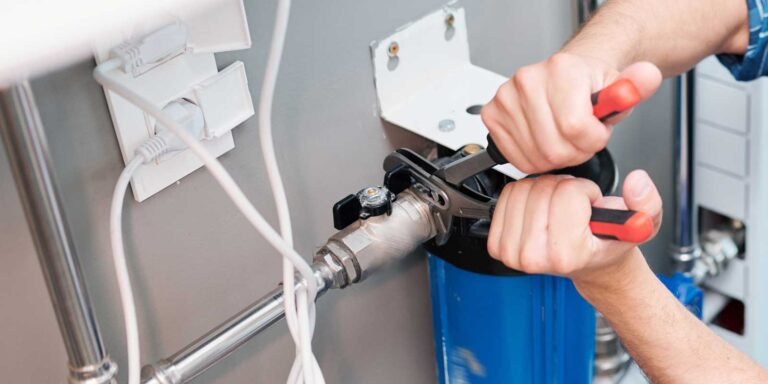
Treatment systems aren’t completely “install it and forget it” products.
Filters need replacement. Some components require cleaning or inspection. Softening systems may need salt. Reverse osmosis systems have membranes and filters with finite service lives.
Neglecting maintenance can gradually affect performance. Water pressure may fall. Taste may change. Odors can return. A system that once worked perfectly may simply need attention.
Keep track of service dates and replacement schedules. It’s not glamorous, but neither is scrubbing mineral deposits every weekend.
Don’t Let Marketing Make the Decision
Water treatment advertisements often focus on impressive claims. Some are useful; others can make the process sound much simpler than it really is.
Instead of asking, “Which system is the best?” ask a more practical question: “Which system is appropriate for my water?”
That shift changes everything.
Look at test results. Consider your water source. Think about household demand. Ask what the system removes, what it doesn’t remove, how often it requires maintenance, and what ongoing costs you can expect.
A reputable provider should be willing to explain those details without making you feel pressured.
A Better Approach Starts With Information
Good water treatment doesn’t have to be complicated. It just needs to be thoughtful.
Test the water. Identify the actual problem. Choose technology that matches it, then make sure the equipment is correctly sized, installed, and maintained.
For well owners especially, regular testing can provide valuable peace of mind. For homeowners dealing with hard water or unpleasant tastes and odors, the right treatment can make everyday chores noticeably easier.
You don’t need a dozen gadgets under the sink to have better water. You need the right solution for the water you actually have.
And once that solution is in place, the best outcome is almost boring: turn on the tap, fill the glass, take a shower, run the dishwasher—and don’t think twice about it.