Water is part of nearly every routine at home. We drink it, cook with it, shower in it, and use it to clean just about everything. Yet many homeowners rarely think about its quality until something starts to go wrong. Maybe the showerhead develops stubborn mineral deposits, the drinking water has an unpleasant taste, or laundry comes out feeling rough even after using a good detergent.
These small frustrations can be signs that the water entering your home deserves a closer look. The right treatment can improve everyday comfort, protect plumbing equipment, and address specific water quality concerns. The important thing is knowing what you’re dealing with before spending money on a solution.
Understanding the Water Coming into Your Home
Not all water supplies are alike. Homes connected to municipal systems generally receive treated water, but its mineral content and characteristics can still vary by location. Private wells are different because the water comes directly from an underground source and may be affected by surrounding soil, geology, and land use.
For households relying on well water, regular testing is especially important. Groundwater can contain naturally occurring minerals such as iron and manganese, while certain wells may also be vulnerable to bacteria, nitrates, or other contaminants. Some of these issues affect taste, staining, or plumbing; others cannot be detected by looking at the water or smelling it.
A certified laboratory can help identify concerns that a basic home test might miss. Well owners should follow local health recommendations for testing frequency and consider additional testing after flooding, repairs, or other events that could affect the water supply.
Even if the water looks clear, don’t assume everything is fine. Appearance is only one piece of the puzzle.
Hard Water and the Problems It Creates
Hard water is one of the most common reasons people explore treatment options. It contains elevated levels of dissolved calcium and magnesium, which can leave white deposits on taps, shower screens, kettles, and other household surfaces.
Over time, mineral scale may accumulate inside water heaters, pipes, and appliances. That buildup can affect efficiency and increase maintenance needs. Soap can also behave differently in hard water, leaving residue on bathroom surfaces and making it harder to get the clean, comfortable feeling many people expect after showering.
The good news is that hardness can be measured, and treatment options are well established.
Traditional softeners use an ion-exchange process to reduce calcium and magnesium. Salt-based systems are common, although they require periodic regeneration and salt replenishment. Other technologies are available, but their performance and purpose differ, so it’s worth understanding what a particular product actually does before buying it.
When a Water Softener Makes Sense
For households struggling with recurring scale and soap residue, water softener systems may offer a practical solution. By reducing hardness minerals, these systems can help limit deposits on fixtures, improve soap performance, and reduce scale formation in water-using appliances.
However, a softener isn’t designed to solve every water quality problem. It generally doesn’t disinfect water or remove all dissolved contaminants. If the water also contains iron, sulfur odors, sediment, or potential microbial contamination, those concerns may require separate testing and treatment.
Sizing is another detail that deserves attention. A system that’s too small may regenerate too frequently, while an oversized unit can add unnecessary expense. Household water use, hardness levels, and the number of people living in the home all help determine the appropriate capacity.
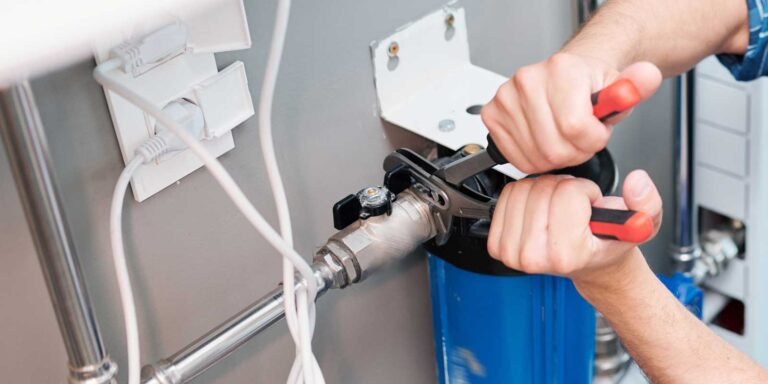
Maintenance matters, too. Salt levels need checking, and the equipment should be serviced according to the manufacturer’s recommendations. Before installation, ask about water usage during regeneration, wastewater discharge, and whether local restrictions apply.
A properly selected softener can make everyday chores easier, but it works best when the system matches the actual conditions in the home.
What About Reverse Osmosis?
Some homeowners want to go beyond reducing hardness and improve the quality of their drinking and cooking water. Reverse osmosis is one option worth considering, particularly when testing identifies dissolved substances that the selected system is certified to reduce.
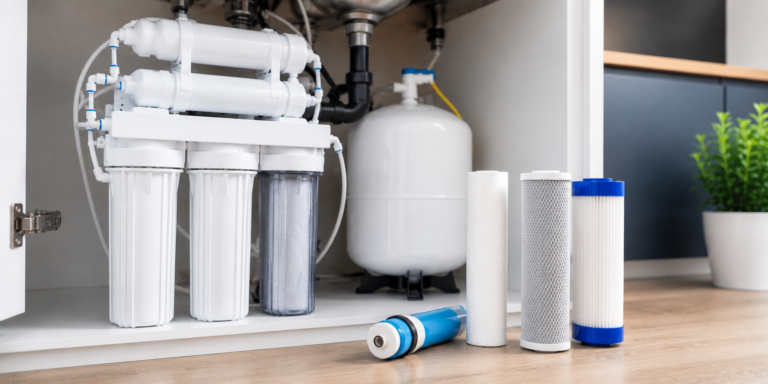
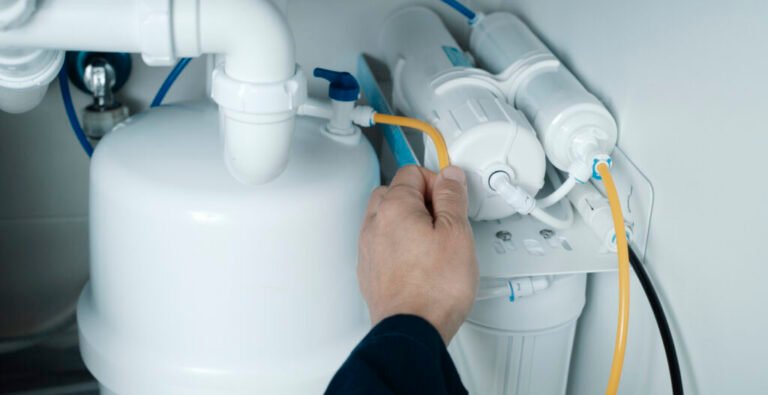
A reverse osmosis unit pushes water through a semipermeable membrane, separating much of the dissolved material from the treated water. Many household units are installed beneath the kitchen sink, providing water at a dedicated drinking-water faucet. Depending on the model, additional stages may include sediment filtration and activated carbon.
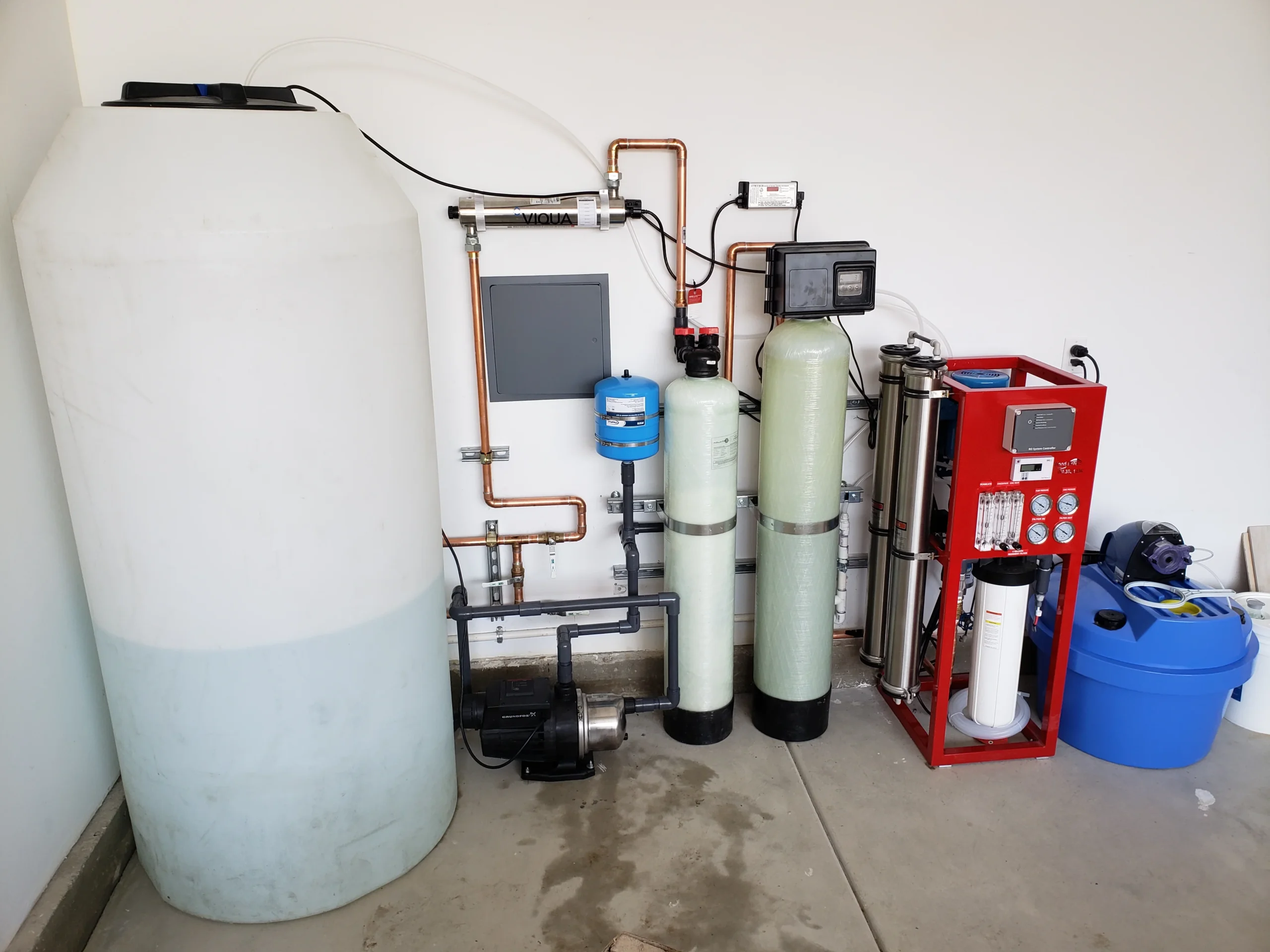
For homes with broader treatment needs, whole house reverse osmosis may be considered. Unlike an under-sink unit that treats water at one outlet, a whole-house installation is intended to treat water entering the property. This can involve higher equipment costs, more complex plumbing, and greater water demand, so it isn’t automatically the best choice for every household.
Reverse osmosis systems also produce a reject-water stream, and their efficiency varies by design and operating conditions. Some systems include storage tanks or remineralization stages. The right configuration depends on water chemistry, household consumption, and the manufacturer’s specifications.
It’s important to choose equipment based on verified performance claims. Look for independent certification where available, and check whether the system has been tested for the specific substances you want to reduce. No single filter should be assumed to remove every possible contaminant.
Combining Treatment Methods Without Overcomplicating Things
Sometimes one piece of equipment isn’t enough. A home may have hard water throughout the plumbing and a separate concern involving drinking-water taste or dissolved contaminants. In that case, a combination of treatment methods may make sense.
For example, a softener can address hardness, while an appropriately selected drinking-water filter can improve taste or reduce certain substances. A sediment filter may be useful where suspended particles are a concern. If testing reveals a specific contaminant, the treatment should be chosen for that issue rather than adding equipment at random.
The order of installation can matter because certain filters and membranes work better when the incoming water has been properly conditioned. A qualified professional can review the results, explain the options, and help determine whether a multi-stage arrangement is necessary.
There’s no prize for owning the most complicated system. A straightforward setup that solves the real problem is often the better investment.
Compare Long-Term Costs, Not Just Purchase Prices
Equipment prices are only part of the expense. Before choosing a system, consider installation, replacement filters, salt, electricity, servicing, and any wastewater costs. Some units are relatively simple to maintain, while others require specialized parts or more frequent attention.
Ask the supplier to explain the expected maintenance schedule and the cost of common replacement components. Find out whether installation is included in the quote and what warranty coverage applies. It’s also reasonable to ask how performance will be checked after installation.
Be cautious of anyone who insists you need an expensive system before explaining the test results. Reliable recommendations should connect the equipment to a clearly identified water issue.
A Better Approach Begins with Better Information
Improving household water doesn’t have to mean replacing every pipe or installing a large treatment plant. Often, the first useful step is simply testing the water and understanding what the results mean.
From there, homeowners can compare softeners, filtration units, reverse osmosis equipment, or a combination of technologies based on their actual needs. The best solution is one that performs reliably, fits the household budget, and can be maintained without unnecessary hassle.
Water is easy to overlook because it’s always there when we turn on the tap. But taking a little time to understand it can pay off in comfort, convenience, and more informed decisions about your home. Start with the facts, ask sensible questions, and choose treatment for the water you actually have—not the problem an advertisement says you might have.