
Why Water Quality Deserves Your Attention
Water is part of nearly every household routine. We drink it first thing in the morning, use it to cook dinner, wash clothes, and clean the kitchen after a long day. Because it’s so familiar, we rarely stop to think about what might be flowing through our taps. That usually changes when the water tastes unusual, leaves marks on the shower screen, or develops an odor that wasn’t there before.
These signs can be frustrating, but they don’t always mean the water is unsafe. Sometimes the issue is simply mineral content or chlorine used during municipal treatment. In other cases, a change in water quality may deserve closer investigation. The tricky part is knowing the difference.
Rather than guessing or buying equipment based on an advertisement, start with a little information. Understanding your water can help you make sensible choices, avoid unnecessary expenses, and decide whether treatment would genuinely improve your home.
Start With a Water Test, Not Assumptions
Water that looks clear isn’t necessarily free from every contaminant, just as water with a noticeable taste isn’t automatically dangerous. Appearance, smell, and taste can offer useful clues, but they can’t provide a complete picture of water quality.
A free water test may be a convenient starting point if it’s offered by a local water treatment provider. These checks can help identify common issues, such as hardness, chlorine levels, or certain basic water characteristics. However, it’s important to ask what the test actually measures. A complimentary screening may not include laboratory analysis for a broad range of contaminants.
If your home uses a private well, arrange appropriate testing through a qualified laboratory and follow local public health recommendations. Depending on the location and circumstances, testing may include bacteria, nitrates, metals, and other substances relevant to the water source. Even if the water has looked and tasted fine for years, regular testing remains important because conditions can change.
For homes connected to a municipal supply, reviewing the local water quality report can provide useful background information. If you suspect a problem inside your plumbing, testing a sample from the affected tap may offer additional insight. The key is matching the test to the concern instead of relying on a single general screening.
Recognizing the Signs of Hard Water
Have you ever cleaned a bathroom thoroughly, only to notice pale marks around the faucets again a few days later? Or perhaps your glasses come out of the dishwasher looking cloudy even when you use a good detergent. Hard water could be part of the explanation.
Hard water contains elevated levels of dissolved minerals, particularly calcium and magnesium. These minerals aren’t usually considered a health concern at typical household levels, but they can create practical problems. Over time, hard water buildup may leave deposits on taps, showerheads, glass doors, and the inside of appliances that heat water.
Some households also notice that soap doesn’t lather as easily or that laundry feels less soft than expected. The effects vary depending on water hardness, cleaning habits, and the products being used.
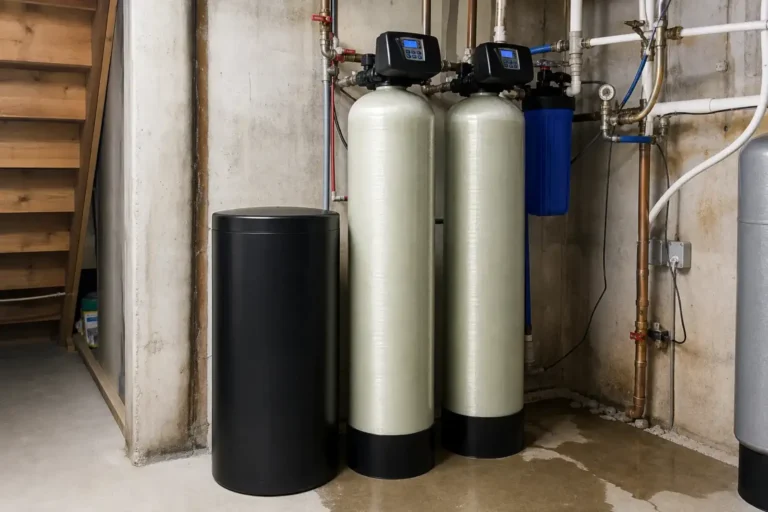
A simple hardness test can help establish whether minerals are contributing to these problems. If the results indicate significant hardness, a conventional water softener may be worth considering. These systems typically use ion exchange to reduce calcium and magnesium. They require regular maintenance, so remember to account for salt, servicing, and operating costs when weighing the benefits.
Not every home needs a softener, though. If mineral deposits are minor, routine cleaning or a different maintenance approach may be enough. Testing helps you make that decision with confidence.
Understanding Contaminants You Cannot See
Hardness is only one aspect of water quality. Depending on the source, location, and plumbing, water may contain other substances that affect its safety, taste, or suitability for household use.
The term unwanted contaminants covers a broad range of substances, including certain metals, agricultural chemicals, microorganisms, and naturally occurring compounds. Their presence and potential significance depend on the specific substance and its concentration. There isn’t one filter that reliably removes everything, which makes accurate testing particularly important.
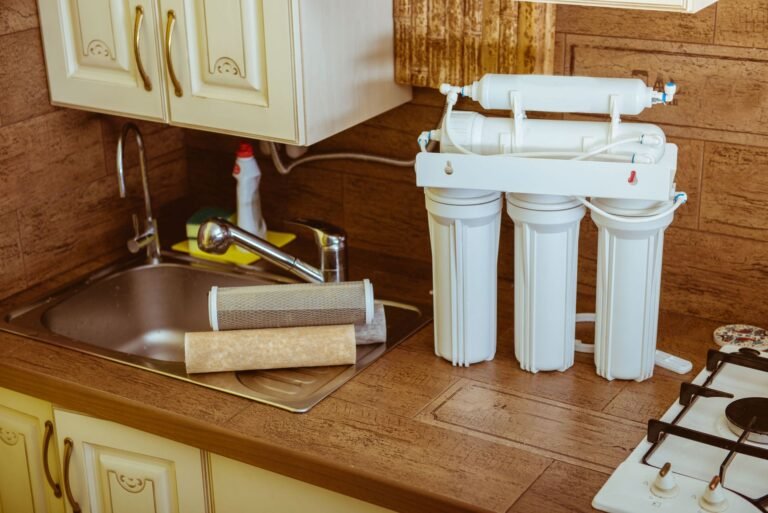
For example, activated carbon filters can improve taste and odor by reducing chlorine and certain organic compounds, depending on the filter’s design and certification. Sediment filters capture suspended particles, such as sand and rust. Reverse osmosis systems can reduce many dissolved substances, while ultraviolet treatment can help inactivate certain microorganisms when properly designed and maintained.
These technologies serve different purposes. A sediment filter shouldn’t be expected to remove dissolved chemicals, and a carbon cartridge alone may not make microbiologically unsafe water safe to drink. Choose equipment based on verified performance claims for the particular substances identified in your water.
If testing reveals a potentially serious problem, seek advice from your local health department or a qualified water treatment professional before relying on a household filter. In some situations, using an alternative drinking-water source while the issue is investigated may be prudent.
Choosing the Right Treatment for Your Home
Once you have test results, compare treatment options with a clear goal in mind. If your main concern is chlorine taste, a suitable carbon filter may be sufficient. If mineral scale is the recurring problem, water softening may provide more benefit than general-purpose filtration. If a specific contaminant has been detected, look for a product independently certified to reduce that substance.
You should also decide whether treatment is needed throughout the house or only at selected taps. A whole-house system treats incoming water before it reaches different fixtures. An under-sink unit focuses on drinking and cooking water, often making it a practical choice for households that don’t need treatment at every outlet.
Consider flow rate, available installation space, filter replacement costs, and the amount of maintenance required. A system that performs well in a small household may not suit a larger family with several bathrooms and high daily water demand.
Check the manufacturer’s documentation carefully. Independent certifications, such as those from recognized water treatment standards organizations, can help verify specific performance claims. Certification for one function doesn’t automatically mean a product has been tested for every possible contaminant.
Keep Your System Working Properly
Even good equipment needs attention. Filters have limited service lives, softeners require appropriate settings, and reverse osmosis membranes eventually need replacement. Skipping maintenance can reduce performance and make it difficult to know whether the system is still doing its job.
Keep a record of cartridge changes and scheduled servicing. Follow the manufacturer’s instructions rather than waiting for a noticeable change in taste or pressure. If your water suddenly becomes cloudy, develops an unusual odor, or changes color, investigate the cause instead of assuming the filter will solve it.
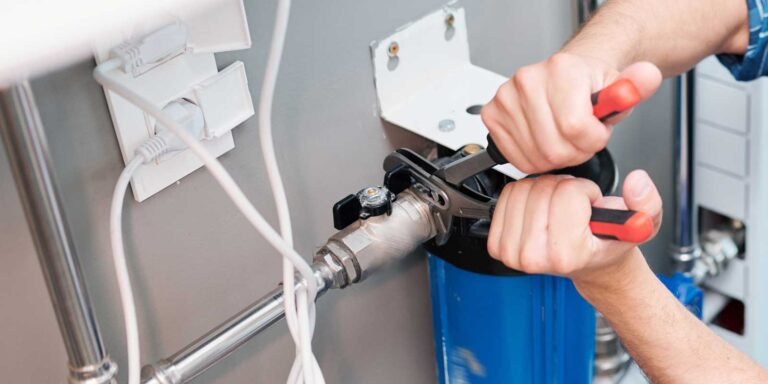
Professional installation may be worthwhile for systems connected to the main water supply, especially when drainage, electrical components, or plumbing modifications are involved. After installation, confirm that the equipment is operating correctly and arrange follow-up testing when appropriate.
A Better Approach to Everyday Water
Improving water quality doesn’t have to become a complicated home project. It starts with asking the right questions: Where does the water come from? What concerns have you noticed? Which tests can confirm the problem? And what treatment is designed to address it?
Those answers help you avoid unnecessary purchases and focus on changes that make a genuine difference. Whether you’re dealing with mineral deposits, unpleasant taste, or a specific contaminant identified through testing, an informed decision is far more useful than a one-size-fits-all promise.
Water is too important to approach with guesswork. Take the time to understand what’s coming through your taps, choose equipment that suits your needs, and maintain it properly. A little attention now can make everyday water use more convenient and give you greater confidence in the choices you make for your home.