
Few household surprises are as unpleasant as turning on the faucet and catching a whiff that reminds you of rotten eggs. You might wonder whether the water has suddenly become contaminated, whether the plumbing is failing, or whether you simply have a very unhappy water heater.
The good news is that this smell is often associated with a specific water-quality condition that can be investigated and treated. The less convenient news? Guessing at the cause can lead to the wrong equipment, wasted money, and a problem that keeps coming back.
Private well water can contain naturally occurring minerals and gases that affect its taste, smell, and behavior. Changes in groundwater, plumbing, or treatment equipment can also make an existing issue more noticeable.
The first step isn’t buying a filter. It’s figuring out what’s happening.
Start With the Water, Not the Smell
A bad odor can be a useful clue, but it isn’t a complete diagnosis.
If water suddenly develops an unusual smell, pay attention to where and when you notice it. Is the odor present in cold water, hot water, or both? Does it come from every faucet? Does it disappear after the water runs for a few minutes?
Those details can help narrow down possible causes.
Water that smells only when heated may point toward an issue involving the water heater rather than the well itself. If the odor is present in both hot and cold water, the source may be somewhere else in the water supply.
It sounds like detective work, because it kind of is.
What Does Low pH Have to Do With Water Quality?
Water chemistry plays a bigger role in household plumbing than many homeowners realize. One characteristic worth checking is low pH, which means the water is more acidic.
Acidic water can interact with plumbing materials differently from neutral or alkaline water. In some circumstances, it may contribute to corrosion and influence how other minerals or treatment processes behave.
That’s why pH is often included in a broader water analysis rather than treated as an isolated number.
If your water has odor, staining, corrosion concerns, or unusual taste, testing pH alongside other characteristics can provide valuable context.
A treatment system should be designed around the complete water picture whenever possible.
The Rotten Egg Smell Has a Familiar Cause
The phrase rotten egg smell is commonly used to describe the odor associated with hydrogen sulfide gas.
Hydrogen sulfide can occur naturally in groundwater and may also be associated with certain biological processes in plumbing or water heaters.
The odor can be incredibly strong even when the underlying water issue isn’t visually obvious. That’s part of what makes it so frustrating.
You can have crystal-clear water and still have a kitchen that smells like someone left an egg salad sandwich in the sink.
Fortunately, the condition is often treatable once the source and concentration are understood.
Hydrogen Sulfide Can Come From More Than One Place
Hydrogen sulfide may enter groundwater naturally, particularly in certain geological environments. It can also develop under specific conditions involving bacteria and organic matter.
In some homes, the water heater contributes to the problem. Certain types of anode rods can interact with water chemistry and contribute to sulfur odors.
This is why replacing or adjusting one component may solve the problem in one house but accomplish very little in another.
If you’re noticing sulfur odor, determine whether it affects hot water only or the entire household supply. That simple observation can be surprisingly helpful.
Water Testing Makes Treatment More Precise
A water test can provide information about pH, hydrogen sulfide, iron, manganese, hardness, and other characteristics that may influence treatment.
Testing also helps determine whether you have one problem or several overlapping conditions.
For example, a well might have sulfur odor along with iron staining and low pH. Installing equipment designed for only one of those issues may leave the others untouched.
A complete analysis helps avoid that frustrating cycle of buying one treatment after another.
And yes, testing can feel like an unnecessary step when you just want the smell gone. But it’s usually cheaper than repeatedly guessing.
Treatment Depends on Concentration and Water Chemistry
There isn’t one universal “sulfur filter.”
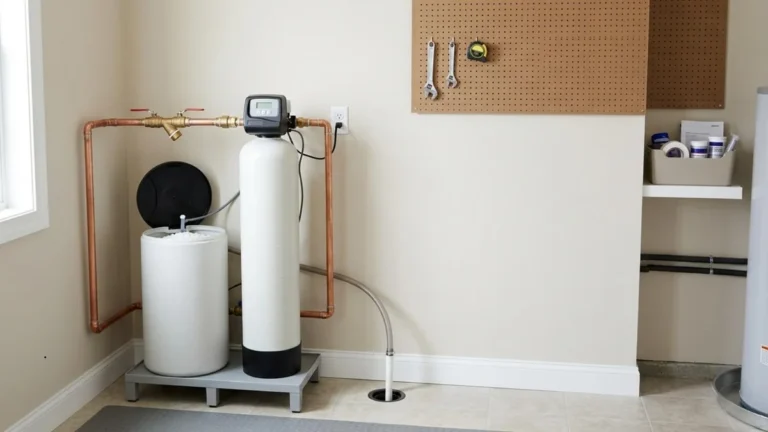
Treatment options can include aeration, oxidation and filtration, specialized media, chemical injection, or combinations of these approaches.
The appropriate choice depends on the concentration of hydrogen sulfide, water pH, iron and manganese levels, flow rate, and other conditions.
Some systems introduce air to help oxidize sulfur compounds before filtration. Others use treatment media or controlled chemical dosing.
The system should be selected based on actual water conditions rather than a generic product description.
Don’t Forget About Iron and Manganese
Hydrogen sulfide isn’t always the only issue in well water.
Iron can create orange or reddish staining, while manganese may produce darker deposits. These minerals can occur alongside sulfur-related odors.
When several problems appear together, treatment becomes more complicated—but not necessarily impossible.
The advantage of testing is that it reveals these relationships before equipment is installed.
A professional water-treatment specialist can use the results to determine which treatment stages are appropriate and whether one integrated system can address multiple concerns.
Your Water Heater May Be Part of the Story
If the unpleasant odor appears only in hot water, don’t immediately blame the well.
The water heater deserves a look.
Water chemistry, temperature, and the type of anode rod installed in the tank can all influence sulfur odors. In some cases, addressing the heater may significantly reduce the smell.
Because water heaters contain pressurized hot water and electrical or gas components, homeowners should use appropriate caution and professional assistance when repairs or modifications are necessary.
Sometimes the simplest solution is also the one sitting in the basement.
Maintenance Keeps Odor From Returning
Even a properly selected treatment system requires maintenance.
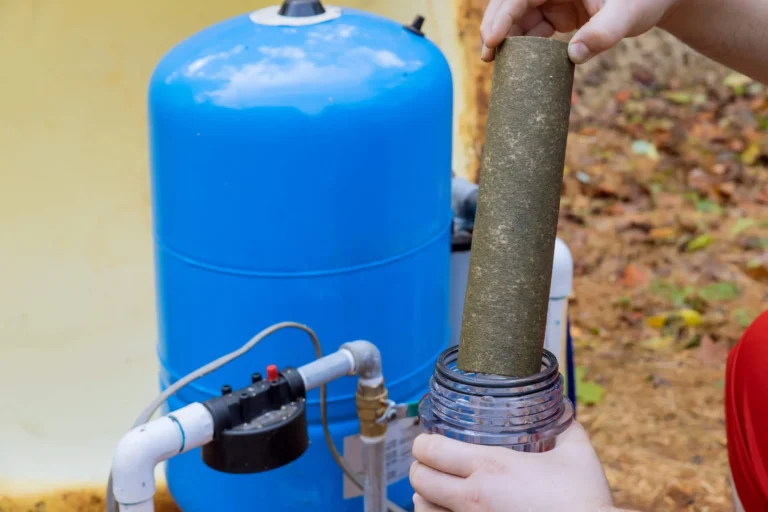
Filters need replacement, treatment media eventually become exhausted, pumps and valves need inspection, and chemical systems require appropriate monitoring.
If maintenance is skipped, performance can gradually decline. The odor may return slowly, making it tempting to assume the original system simply wasn’t good enough.
Before replacing everything, check whether the equipment is due for service.
Keep a basic record of filter changes and inspections. It takes a few minutes and can save a lot of head-scratching later.
Don’t Rely on Smell Alone
Although odor is an important clue, your nose isn’t a laboratory.
A sudden change in water smell should encourage investigation, not panic. Test the water and consider whether the odor occurs in hot water, cold water, or both.
If you’re using a private well, routine water testing is particularly important because conditions can change over time.
And if the problem involves a suspected contaminant or significant water-quality change, professional advice can help determine what to do next.
Better Water Starts With a Better Diagnosis
A sulfur odor can make an otherwise comfortable home feel unpleasant very quickly. Nobody wants to turn on the shower and feel like they’ve wandered into a chemistry experiment.
But the smell doesn’t have to remain a permanent part of your household.
Start by identifying when and where the odor occurs. Test the water. Check important characteristics such as pH and mineral levels. Consider whether the water heater may be involved. Then choose treatment equipment that matches the actual conditions.
The right solution might be surprisingly simple. Or it may involve several treatment steps.
Either way, understanding the cause is the part that makes everything else easier.
When water quality is approached with testing, patience, and the right equipment, that stubborn sulfur odor can become just another household problem that gets solved—and eventually forgotten.