There’s something satisfying about seeing a neglected space become useful again. An empty lot gets cleared, an old community building is cleaned out, or a neighborhood park finally gets the attention it has needed for years. The work can be tiring, messy, and sometimes a little chaotic, but the result is usually worth it.
Large cleanups, however, create one problem that is easy to underestimate: waste.
A group of volunteers can fill dozens of bags in an afternoon. Add broken furniture, branches, old fencing, renovation debris, or discarded materials, and suddenly ordinary trash collection isn’t enough. Without a disposal plan, the cleanup can stall just when everyone has found their rhythm.
That’s why waste planning should be part of the project from the beginning, not something discussed after the first pile has already formed.
Start With a Clear Picture of the Cleanup
Before ordering containers or assigning volunteers, walk through the area.
Look at what needs to be removed and estimate how much material is involved. Is the project mostly household junk? Yard debris? Old construction material? A mixture of several things?
The type of waste matters just as much as the quantity.
For example, a park cleanup may produce mostly branches and litter, while an abandoned property could contain furniture, appliances, building materials, and years of accumulated junk.
A realistic assessment makes the rest of the planning process much easier.
Community Cleanups Need a Waste Plan
Organized community cleanup projects often involve many people working at the same time. That’s great for getting things done, but it can also create a lot of waste very quickly.
Volunteers may be collecting debris from different parts of a neighborhood and bringing it to one central location. If there isn’t enough disposal capacity, piles can grow faster than they can be removed.
Assign someone to oversee waste collection. Give volunteers simple instructions about where materials should go and what shouldn’t be placed in the containers.
A little organization at the beginning can save everyone from sorting through a mountain of mixed debris later.
Pick the Right Container Size
One dumpster doesn’t necessarily fit every cleanup.
A small neighborhood project might need only limited capacity, while a large property cleanup could generate several tons of material. Choosing too small a container can result in overflowing debris or additional pickups. Choosing something much larger than necessary may waste space and money.
This is why having multiple dumpster sizes available can be useful.
Different projects can choose capacity based on actual needs rather than trying to make one standard container work for everything.
If you’re uncertain, describe the project to the provider. Explain the approximate amount of debris and, importantly, what kind of materials you’ll be removing.
Don’t Judge Capacity by Appearance Alone
A dumpster can look half empty and still be too heavy.
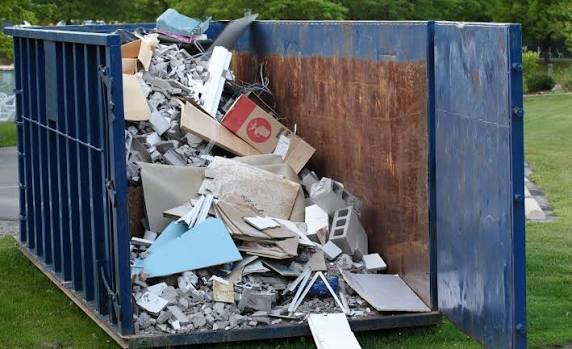
Dense materials such as concrete, bricks, soil, tile, and certain demolition debris can reach weight limits surprisingly fast.
This matters during community improvement projects where volunteers may be removing old sidewalks, landscaping materials, or damaged structures.
If heavy debris is involved, ask about weight restrictions before the work starts.
It may be necessary to use a different disposal method or separate heavy materials from lighter waste.
That bit of planning can prevent unexpected charges and make loading safer.
Separate Materials When Possible
Sorting waste doesn’t have to become a complicated science project.
Create basic categories based on what your local disposal and recycling facilities accept. Cardboard, scrap metal, yard waste, and certain reusable materials may have separate destinations.
Usable furniture or equipment might be donated rather than discarded.
During a cleanup, volunteers often find items that still have value. Someone may need that old table, a community group might use shelving, or recyclable metal could be recovered instead of thrown away.
The more useful material you divert before loading, the less waste ends up in the general disposal stream.
Plan the Dumpster Location Carefully
A central location is convenient, but the container shouldn’t simply be placed wherever there’s an empty patch of ground.
Delivery vehicles need enough room to enter and leave safely. The surface should be stable, and the location shouldn’t interfere with traffic or pedestrian movement.
For neighborhood cleanups, think about children, elderly residents, bicycles, vehicles, and emergency access.
If the project takes place in a park or public area, check whether permits or local approvals are required before placing a dumpster.
The easiest location for volunteers isn’t always the safest location overall.
Make Loading Easier for Volunteers
People work more efficiently when the process is simple.
Place collection points where volunteers can easily bring materials without carrying heavy loads across long distances.
Use appropriate gloves and protective equipment, particularly when dealing with broken glass, nails, sharp metal, or unknown debris.
Avoid asking volunteers to handle materials that may be hazardous. Chemicals, fuel containers, batteries, pesticides, and other dangerous substances should be dealt with according to local requirements.
The goal is to remove waste, not create an avoidable injury.
Large Projects May Need More Than One Container
For major residential and community projects, waste volume can change throughout the job.
A neighborhood renovation might begin with household cleanouts, move into landscaping, and finish with construction debris. Each stage may produce a different type of material.
Rather than trying to force everything into one container, consider whether separate containers or scheduled exchanges would make more sense.
This can also make recycling and disposal easier because different materials don’t have to be separated after they’ve already been mixed together.
Consider the Project Timeline
A community cleanup might be scheduled for one Saturday, but the actual work can stretch longer.
Rain can delay volunteers. Unexpected debris can add hours to the project. A building cleanout may uncover far more material than anyone expected.
When arranging dumpster service, ask how long the container can remain on-site and what options are available if the project takes longer.
It’s better to know the answer before the cleanup begins.
Communicate With Everyone Involved
Good communication is especially important when many people are participating.
Volunteers should know where waste goes. Project organizers should understand the pickup schedule. Property owners need to know where containers will be placed.
If a service provider needs clear access, communicate that requirement ahead of time.
A short briefing before the project begins can eliminate a surprising number of problems.
Nobody wants to discover on cleanup day that the dumpster is blocking a driveway or that certain materials aren’t accepted.
Don’t Forget About Weather
Outdoor cleanup projects are particularly vulnerable to weather.
Wind can scatter lightweight debris. Rain can make cardboard heavy and create muddy conditions around the disposal area.
If bad weather is expected, protect loose materials and consider whether the container needs to be covered or positioned differently according to the provider’s instructions.
After severe weather, be particularly cautious. Fallen trees, damaged structures, and hidden hazards can make cleanup dangerous.
Safety should always come before speed.
Make Recycling Part of the Plan
A community cleanup can be a good opportunity to encourage better waste habits.
Set aside recyclable materials where appropriate. Encourage residents to bring reusable items to donation points instead of putting everything into a dumpster.
If the project is recurring, organizers can use each cleanup to identify common sources of waste and look for ways to reduce them next time.
Maybe the neighborhood receives too much cardboard. Perhaps residents frequently dispose of furniture during moving season.
Once patterns are visible, future cleanup efforts become easier to plan.
Review What Worked
After the cleanup, take a few minutes to look back.
Was the dumpster large enough? Did it fill too quickly? Was the location convenient? Were certain materials difficult to dispose of? Did volunteers understand the sorting system?
These observations are valuable for future projects.
Community work tends to happen repeatedly. A neighborhood that organizes one cleanup today may hold another six months or a year from now.
There’s no reason to repeat the same mistakes.
A Cleaner Community Starts With Practical Planning
Large cleanup efforts are about more than removing unwanted material. They bring people together, improve shared spaces, and can make a neighborhood feel cared for again.
But good intentions need practical support.
Estimate the waste. Choose an appropriate container. Plan where it will go. Separate materials when possible and understand disposal restrictions before work begins.
Most importantly, make waste handling part of the project instead of an afterthought.
Once the cleanup is underway, people should be able to focus on the work itself. Volunteers should know where debris goes, organizers should know when it will be collected, and the property should gradually become cleaner without waste piling up around the edges.
The final result isn’t just an empty dumpster.
It’s a cleaner park, a safer street, a usable property, or a shared space that people can feel proud of again. And that’s usually why the effort was worth it in the first place.