Good drinking water makes a difference in ways we don’t always notice. It’s there when someone fills a bottle before heading out the door, when colleagues take a break between meetings, or when a family gathers in the kitchen after a long day. Having water readily available sounds like a small thing, but it can make daily routines more comfortable and encourage everyone to drink regularly.
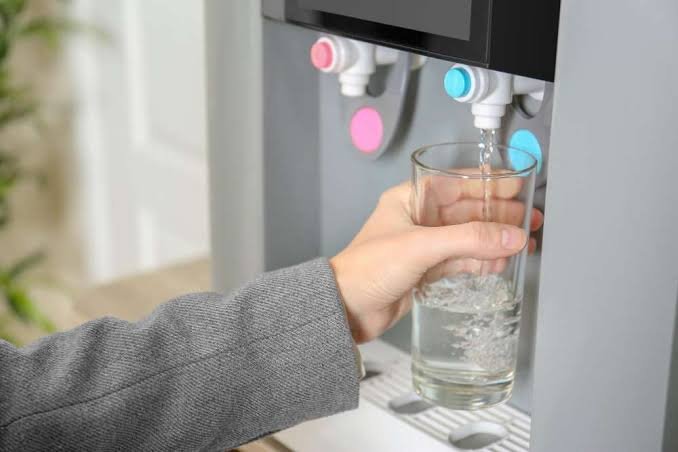
For homes, offices, schools, and other shared spaces, a water cooler or dispenser can be a practical addition. The tricky part is choosing the right type. Some people prefer the convenience of a dispenser connected to a water supply, while others like the flexibility of a bottled system. Both can work well, but the best fit depends on available space, water quality, usage, and ongoing costs.
Think About How People Will Use It
Before comparing equipment, consider where the cooler will go and how many people will use it. A small household may need only a compact dispenser for drinking water and occasional cooking. A busy office, on the other hand, might have dozens of people filling cups throughout the day, especially during warmer months.
Daily demand influences more than the size of the machine. It can affect how quickly the unit must recover after repeated use, how much storage capacity is needed, and how often it requires cleaning or servicing. A cooler that works perfectly in a quiet reception area might struggle in a busy staff room.
Temperature options are worth considering, too. Some dispensers provide cold and room-temperature water, while others also offer hot water for tea, instant coffee, or quick meals. If hot water is available, safety features such as child locks can be important in homes and workplaces where children may be present.
Think about convenience, but don’t overlook the basics. The dispenser should be easy to operate, simple to clean, and accessible without blocking a walkway or taking up valuable counter space. It’s the kind of equipment people tend to use every day, so a few practical details can make a noticeable difference.
The Appeal of a Bottleless Dispenser
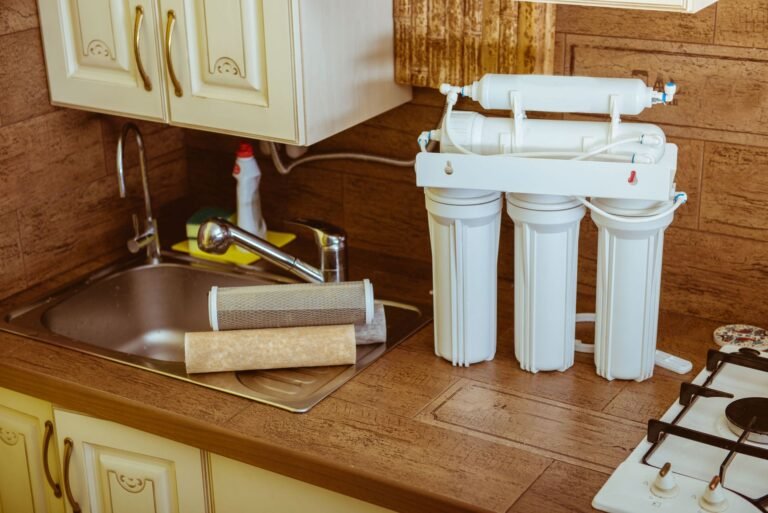
For households and businesses with a suitable plumbing connection, bottleless water coolers & dispensers can offer a convenient alternative to storing and replacing large water bottles. These units connect to the building’s water supply and generally use filtration or other treatment components before delivering drinking water.
One obvious advantage is that there are no heavy bottles to lift, store, or swap out when the supply runs low. That can be especially useful in an office where water consumption is high. It also reduces the need to keep spare bottles in a cupboard or storage room.
However, a bottleless system is only as suitable as its installation and treatment design. The incoming water should be assessed, and the selected filters should be appropriate for the substances they are intended to reduce. Different filters have different capabilities, so it’s worth checking product specifications and any relevant certifications rather than assuming every unit provides the same level of treatment.
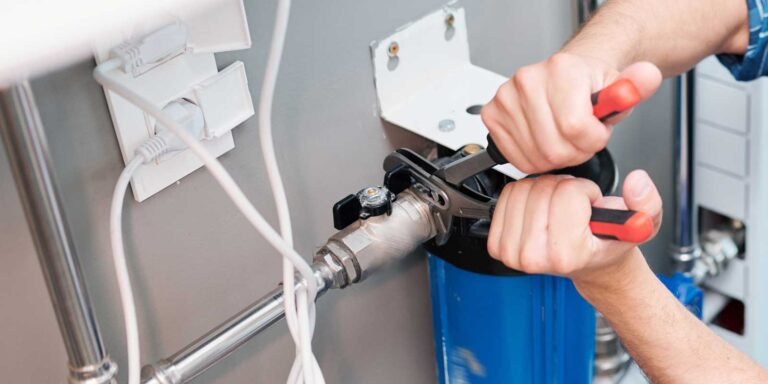
Installation usually requires access to a water line, and some models may need drainage or electrical power. That means the location should be planned carefully. A qualified installer can help identify a practical position and ensure that the connections are completed correctly.
There are ongoing costs, too. Filters need replacing according to the manufacturer’s schedule, and the equipment should be cleaned and inspected regularly. A bottleless dispenser may reduce bottle handling, but it isn’t maintenance-free.
When a Bottled System Makes More Sense
Not every property has a convenient plumbing connection where drinking water is needed. In that situation, bottled water coolers & dispensers can provide flexibility. They use replaceable water bottles, making them suitable for spaces where installing a connected unit would be difficult or impractical.
A bottled dispenser can be useful in a temporary office, a rented property, a workshop, or a room that is far from the nearest water line. Depending on the supplier and bottle size, deliveries can be arranged around the amount of water people typically use.
The main trade-off is handling. Large bottles can be heavy, and someone needs to monitor stock, replace empty containers, and find a clean place to store full ones. In a busy workplace, these tasks can become inconvenient if nobody is responsible for them.
It’s also sensible to ask how the water is sourced, treated, sealed, and delivered. Reliable supply arrangements matter, particularly when a business depends on drinking water being available every day. Bottles should be stored according to the supplier’s instructions and kept away from excessive heat or direct sunlight.
Cost comparisons should include more than the dispenser itself. Consider bottle prices, delivery charges, deposits where applicable, and the amount of water your household or workplace consumes. A bottled system may be a good choice for some spaces, while a connected unit may be more practical elsewhere.
Water Quality Still Deserves Attention
Whether water comes from a bottle or a building’s supply, quality should remain part of the decision. A pleasant taste is important, but taste and appearance cannot establish whether water is free from every possible contaminant.
For connected dispensers, begin by understanding the incoming water. Municipal customers may review the local supplier’s water-quality report, while private-well owners should arrange testing appropriate to their location and circumstances. The results can help determine whether filtration or another treatment method is needed.
The right filter depends on the issue. Activated carbon may reduce certain tastes, odors, and selected compounds. Sediment filters can capture suspended particles, while other technologies address different concerns. No single filter should be assumed to remove everything.
For bottled water, look into the supplier’s quality-control practices and the way containers are handled. Sealed bottles should arrive in good condition, and reusable containers should be managed hygienically. If water has an unusual odor, appearance, or taste, stop using it until the concern has been investigated.
Maintenance Is Part of the Purchase
A water cooler can be reliable for years, but regular care matters. The dispenser’s taps, contact surfaces, drip tray, and other accessible components should be cleaned according to the manufacturer’s instructions. This is particularly important in shared spaces, where many hands touch the same controls throughout the day.
For filtered units, keep track of cartridge replacement dates. Filters that have passed their recommended service life may no longer perform as intended. If the dispenser has a warning indicator, learn what it means and how to respond when it appears.
Watch for changes in water flow, temperature, leaks, or unusual noises. These signs may point to a maintenance issue that should be checked before it becomes a larger problem. A service plan can be helpful for businesses that need to keep equipment operating consistently and prefer not to manage every repair themselves.
When Professional Support Helps
Choosing a dispenser is only one part of setting up a dependable drinking-water supply. In some situations, professional advice can help clarify what the water needs and which equipment is suitable. Water treatment services may include water testing, filter selection, installation, routine maintenance, and troubleshooting, depending on the provider.
This support can be especially useful for larger workplaces, properties with private wells, or locations where water quality is uncertain. A good provider should explain what the proposed system is designed to do, what it will not address, and how its performance will be maintained. Clear answers are more useful than broad promises.
Ask about service intervals, replacement parts, warranty coverage, and the likely annual cost of upkeep. These details make it easier to compare options fairly and avoid surprises later.
Choose the Setup That Fits Your Routine
The right water cooler is the one that makes hydration convenient without creating unnecessary work. A bottleless dispenser may suit a busy office with a suitable water connection, while a bottled unit could be more practical in a temporary or remote space. Water quality, usage, installation requirements, and ongoing expenses all deserve a place in the decision.
Take time to compare the options, ask questions, and plan for maintenance from the beginning. When drinking water is easy to access and the equipment is properly cared for, it becomes one less thing to worry about during a busy day—and that’s a worthwhile improvement for any home or workplace.