
Water is one of those household essentials you usually notice only when something feels off. The coffee tastes strange. The shower leaves a film on the glass. A faucet develops a crusty ring that seems to come back no matter how often you clean it.
None of these things necessarily points to a serious problem. Still, they’re signs that your home’s water has characteristics worth understanding.
Sometimes the answer is simple. Sometimes several issues are happening at once. Hardness, chlorine, sediment, iron, sulfur compounds, and other substances can influence how water tastes, how it behaves around plumbing, and how much attention your appliances require.
The trick is not to treat every possible water issue with the biggest system available. It’s to figure out what’s actually happening and choose treatment that fits.
Start With What You Notice
Your senses can be useful early warning signs.
Maybe tap water has a faint chemical taste. Perhaps it smells slightly metallic, or you see orange staining around a bathroom fixture. White deposits on faucets are another common clue.
These observations don’t tell you exactly what’s in the water, but they can help identify areas worth investigating.
A water test can provide much more useful information. Depending on the test, it may reveal hardness, pH, iron, sulfur-related compounds, bacteria, or other characteristics.
Instead of guessing which treatment you need, you can make a decision based on actual conditions.
Taste Can Change the Way You Use Water
People tend to drink more water when they actually enjoy drinking it. That’s not a complicated idea, but it’s easy to overlook.
If your tap water has a strong chlorine flavor, metallic taste, or unpleasant odor, you might find yourself reaching for bottled water instead.
For some households, filtration can improve water taste enough to make tap water much more appealing.
Activated carbon is commonly used for reducing certain tastes and odors. Other technologies can address dissolved substances that carbon isn’t designed to remove.
The important thing is matching the treatment to the cause. There’s no point buying equipment designed for hardness if the real issue is primarily taste and odor.
Hard Water Leaves a Trail
Hard water is largely associated with calcium and magnesium.
You may see the evidence on shower doors, faucets, dishes, and fixtures. Soap may seem less effective, while mineral deposits gradually accumulate around places where water evaporates.
Inside plumbing, those minerals can also contribute to scale over time.
Hardness isn’t necessarily a safety issue by itself, but it can become a practical nuisance. If it’s affecting many fixtures throughout the home, treating the water at the entry point may make more sense than dealing with deposits one faucet at a time.
Why Protecting Plumbing Matters
Your home’s plumbing is designed to move water efficiently, not constantly battle mineral deposits and sediment.
Over years of use, deposits can accumulate in fixtures and certain parts of the plumbing system. Restricted flow may eventually become noticeable, especially in areas where mineral buildup is significant.
Appropriate water treatment can help protect plumbing from some of the effects associated with problematic water conditions.
That doesn’t mean filtration will prevent every plumbing issue. Corrosion, age, installation quality, pressure, and other factors all matter.
Still, reducing avoidable mineral or sediment exposure can be a sensible part of long-term household maintenance.
Appliances Are Quietly Using Your Water Every Day
Think about how many appliances rely on your home’s water supply.
The dishwasher, washing machine, water heater, ice maker, humidifier, and coffee maker all come into contact with water. Some are more sensitive to mineral deposits than others.
Hardness and sediment can contribute to deposits or affect performance over time. When treatment is appropriately matched to the water problem, it can help protect appliances from some of those conditions.
Again, treatment isn’t a substitute for maintenance. Appliances still need cleaning, inspections, and manufacturer-recommended servicing.
But reducing unnecessary exposure can make the overall maintenance picture a little easier.
Iron Can Create More Than an Ugly Stain
Iron is a common concern in some private well supplies.
When iron levels are elevated, homeowners may notice orange or reddish staining in sinks, tubs, and toilets. Water can also develop a metallic taste.
Different forms of iron behave differently, so treatment selection matters.
Some systems use oxidation and filtration, while specialized media may be appropriate for particular water conditions.
If iron is suspected, testing is preferable to simply buying a filter and hoping for the best. The concentration and form of iron can influence which treatment method works effectively.
Sulfur Odor Is Hard to Ignore
A rotten-egg smell coming from the water is one of those household problems that gets your attention immediately.
Hydrogen sulfide is a common cause, particularly in some well-water situations. The odor may be more noticeable in hot water, although the underlying cause can vary.
Treatment options depend on the source and concentration. Aeration, oxidation, filtration, and other approaches may be used depending on the water chemistry.
The main lesson is simple: unpleasant odor deserves investigation. Don’t assume a standard carbon filter will automatically solve it.
Sediment Deserves a Closer Look
Sediment can include sand, silt, rust particles, and other suspended material.
A little sediment might only be an annoyance, but significant amounts can affect faucets, fixtures, filters, and treatment equipment.
A properly selected sediment filter can capture particles before they travel farther into the home’s plumbing.
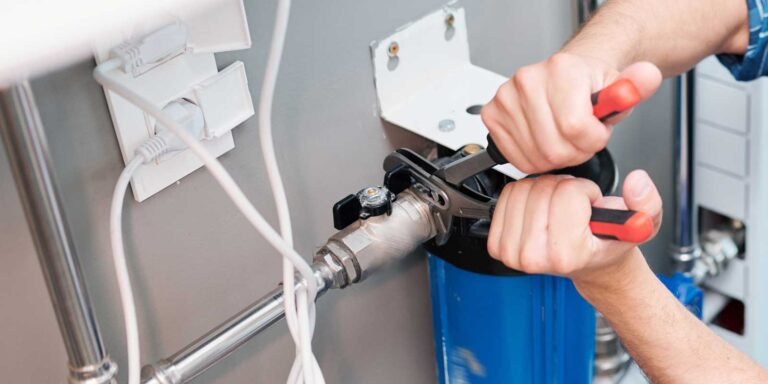
However, sediment filters themselves need attention. Once a cartridge becomes loaded, water flow can decline.
If you suddenly notice weaker pressure at a filtered faucet, check the filter before assuming something more expensive has failed.
Whole-Home or Point-of-Use?
The right treatment area depends on where the problem occurs.
If your main concern is drinking-water taste, a point-of-use system in the kitchen may be enough.
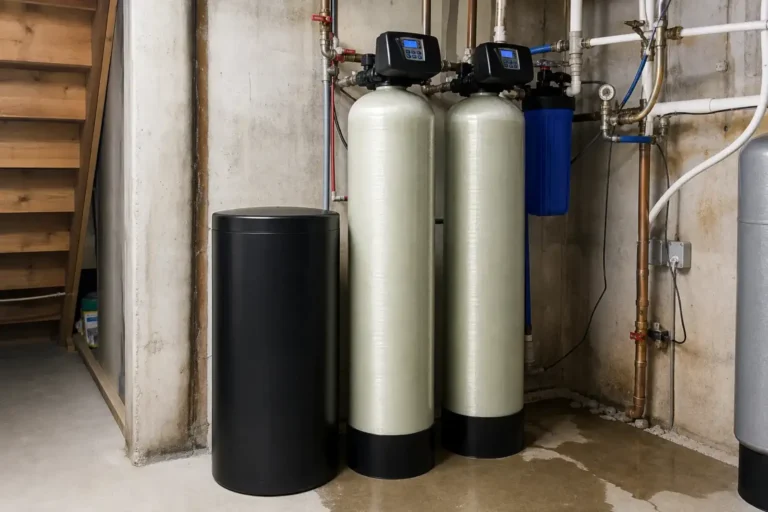
If hardness, sediment, or iron is affecting bathrooms, laundry, appliances, and other fixtures, whole-home treatment may make more sense.
There’s no prize for treating more water than necessary.
A targeted solution can be simpler and less expensive when the concern is limited to one part of the home.
Maintenance Is Where Good Intentions Often Fail
Buying a treatment system is the easy part.
Remembering to replace filters, replenish salt, inspect connections, and service equipment is where things get real.
Set reminders for routine maintenance. Keep replacement cartridges or other commonly needed supplies easy to find. Follow the manufacturer’s instructions rather than relying on guesswork.
If water suddenly changes in taste, pressure, color, or odor, take it seriously enough to investigate.
Small maintenance habits can prevent bigger headaches.
Don’t Choose Equipment by Marketing Alone
Water-treatment advertisements can make almost any system sound like the perfect answer.
Instead of focusing on impressive-sounding features, ask practical questions.
What does the system actually remove or reduce? Is it appropriate for your water conditions? How much water can it handle? What does maintenance cost? Are replacement parts readily available?
If testing has identified a specific concern, look for equipment designed for that concern and check relevant performance certifications.
A modest system that solves the right problem is more useful than an expensive system that doesn’t.
Better Treatment Starts With a Better Understanding
There’s no universal answer to household water problems.
One home may need hardness treatment. Another may primarily need taste and odor filtration. A private well might require specialized treatment for iron, sulfur, or sediment.
The best approach begins with information.
Pay attention to what you’re seeing and tasting, test when appropriate, and understand the difference between treatment technologies before spending money.
Water treatment doesn’t have to be complicated or excessive. When the solution is matched to the actual problem, the benefits can be wonderfully ordinary: cleaner fixtures, easier maintenance, better-tasting water, and fewer surprises.
And honestly, that’s what good home improvement should feel like. Not another thing demanding your attention, but one less thing you have to worry about.