Most people don’t think about their water until it gives them a reason to. Maybe the morning coffee tastes slightly off. A glass comes out of the dishwasher covered in spots. The shower door looks clean for approximately five minutes, then somehow it’s covered in white marks again.
These aren’t always signs of a serious problem, but they’re worth noticing.
Water has a way of leaving clues around the house. The trick is knowing what those clues might mean and, just as importantly, knowing when not to jump to conclusions.
A strange taste doesn’t automatically mean contaminated water. A white deposit doesn’t necessarily mean the plumbing is failing. Sometimes a problem is surprisingly simple. Other times, it deserves proper testing and treatment.
Understanding the difference can save money, time, and quite a bit of frustration.
Hard Water Has a Familiar Look
One of the most common household water complaints involves hard water. It contains elevated levels of naturally occurring minerals, primarily calcium and magnesium.
You may notice it as white spots on shower glass, cloudy marks on dishes, or deposits around faucets. Soap can also behave differently, sometimes making showers and cleaning feel more difficult.
Hardness isn’t generally something homeowners discover because the water looks dramatically different. Instead, it gradually becomes part of the daily routine. You clean the same buildup over and over and eventually think, “There has to be a better way.”
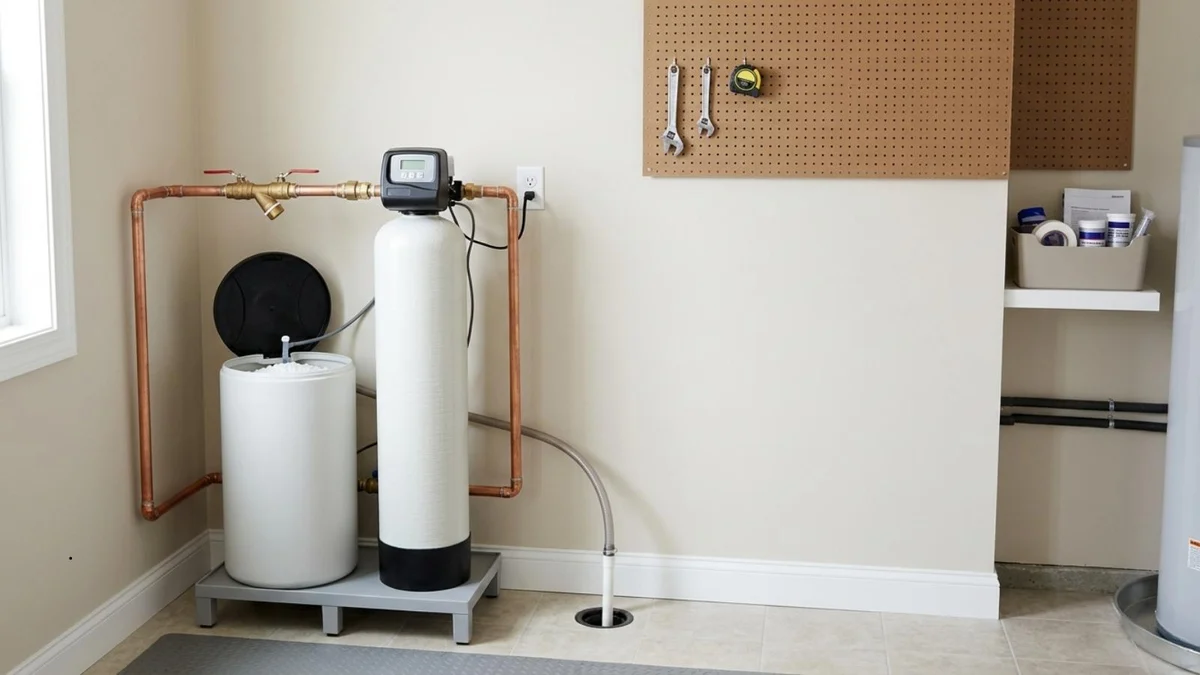
Depending on the water’s hardness and household goals, a water softener or conditioning system may help reduce the practical effects.
Mineral Buildup Doesn’t Happen Overnight
The deposits left behind by hard water can accumulate slowly. A little residue here, another layer there, and eventually an appliance or fixture looks noticeably different.
This mineral buildup can occur on faucets, showerheads, heating elements, and other surfaces that regularly come into contact with water.
The amount of buildup depends on several factors, including water hardness, temperature, flow, and how often equipment is used.
This is one reason regular cleaning and appropriate water treatment can be useful. Waiting until deposits become thick and difficult to remove usually makes the job more unpleasant.
Nobody wants to spend their Saturday fighting with a showerhead.
Taste and Odor Can Have Several Causes
Taste is subjective, which makes water complaints a little tricky.
Some homeowners notice the flavor of disinfectants in treated municipal water, while others barely notice it. A chlorine taste and odor may be more apparent at certain times or when water has been sitting in pipes.
Temperature can influence perception, too. Cold water often tastes different from water that has been sitting at room temperature.
If the taste is new or unusually strong, it’s reasonable to investigate. Start by checking whether the issue occurs at multiple fixtures. If it happens only at one faucet, the fixture itself may be part of the problem.
Don’t Judge Water Quality by Appearance Alone
Clear water looks clean. That’s natural.
But appearance isn’t a complete measure of water quality. Some dissolved substances are invisible, while harmless air bubbles can occasionally make water appear cloudy.
If you’re concerned about a persistent change, testing is more useful than guessing.
Depending on the situation, testing may examine hardness, pH, iron, sediment, or other characteristics. The appropriate test depends on the water source and the specific concern.
The objective isn’t to create a frightening list of everything that could possibly be in water. It’s to get useful information.
Your Faucet Can Tell You Something
The location of a problem can provide valuable clues.
If only the kitchen faucet produces unusual-tasting water, inspect the faucet and aerator. Sediment can collect inside small screens, and older fixtures can sometimes influence taste.
If every faucet has the same issue, the source is probably farther upstream.
Hot and cold water should also be compared. If the concern appears only when hot water runs, the water heater may deserve attention.
This kind of basic troubleshooting can prevent homeowners from replacing equipment unnecessarily.
Water Pressure Shouldn’t Be Ignored
A treatment system can affect water flow if filters become clogged or equipment isn’t appropriately sized.
A gradual reduction in pressure may be easy to overlook. You simply turn the faucet a little farther or take a slightly less satisfying shower.
But if pressure suddenly changes throughout the house, it’s worth investigating.
Check whether the problem occurs at every fixture and whether it changes when multiple fixtures are operating. These details can help identify whether the issue is isolated to treatment equipment or something broader in the plumbing.
Filtration Is About Matching the Problem
The word “filter” sounds universal, but filters aren’t universal.
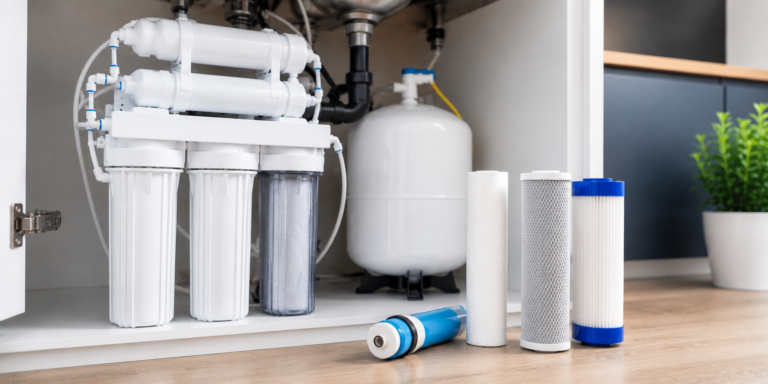
Different filtration media are designed for different purposes. Some capture sediment. Others are commonly used to improve taste and odor. Additional treatment technologies may be intended for specific contaminants or dissolved substances.
That’s why choosing equipment based solely on a product’s marketing description can be risky.
Look for clear information about what the system is designed to reduce. If water testing has identified a concern, make sure the selected technology is appropriate for that particular issue.
More filtration isn’t automatically better filtration.
Well Water Requires Ongoing Awareness
Private well owners have a different responsibility because there isn’t a municipal utility monitoring the household supply.
Groundwater conditions can vary significantly. Iron, hardness, sediment, odors, and microbial concerns may occur depending on the property.
Regular testing can help well owners understand what’s happening over time.
A treatment system should be based on those results rather than assumptions. If the water changes noticeably, don’t simply increase filtration or replace equipment without finding out why.
A change in well-water quality is information worth investigating.
Appliances Can Reveal Problems Too
Your appliances can sometimes provide early warnings.
Coffee makers may develop scale. Water heaters can accumulate deposits. Dishwashers may leave spots on glassware. Humidifiers can develop mineral residue.
None of these symptoms proves that one particular water problem exists, but together they can form a pattern.
If several water-using appliances experience similar issues, it may be worth looking at the household water rather than treating each appliance separately.
That’s often where testing becomes especially useful.
Maintenance Is Easy to Forget
Water treatment equipment works quietly, which is part of the problem. Because you don’t see it operating, it’s easy to forget that it needs attention.
Filters have replacement schedules. Softeners may require salt or servicing. Other systems may need cleaning, sanitation, or component inspections.
Keep the maintenance simple. Write down service dates and set reminders if necessary.
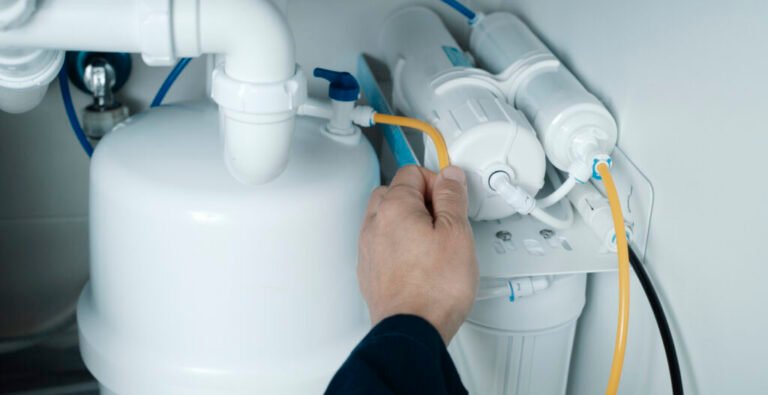
Also look at the equipment occasionally. A small leak or unusual noise is easier to deal with early.
Don’t Assume the Most Expensive System Is the Best
Water treatment can become expensive if you start buying equipment before defining the problem.
A household with a straightforward hardness issue may not need several stages of specialized treatment. A home with a specific water-quality concern may need something more targeted.
The right system is the one that addresses the actual issue and fits the household’s water demand, plumbing, maintenance preferences, and budget.
Price matters, but purpose matters more.
Pay Attention Without Panicking
Water deserves attention, but it doesn’t need to become a source of constant worry.
Notice changes in taste, odor, pressure, appearance, and mineral deposits. Consider where the problem occurs and whether it affects hot or cold water. Test when there’s a persistent or meaningful concern.
Then choose treatment based on what you actually find.
The best water-management decisions aren’t necessarily the most complicated ones. They’re the informed ones.
Once you understand what your water is telling you, those little clues around the house become much less mysterious. And that knowledge can lead to something every homeowner appreciates: fewer surprises, easier maintenance, and water that simply does what you expect it to do.