
Water can look clean and still contain substances that deserve attention. That’s one of the more frustrating things about household water quality. You can fill a glass from the tap, hold it up to the light, and see nothing unusual. Yet naturally occurring minerals, agricultural runoff, or problems beneath the ground may affect what is actually in that water.
Two contaminants that often raise questions, particularly for households using private wells, are arsenic and nitrates. They come from different sources and behave differently, which means they also require different testing and treatment strategies. Understanding these substances can help homeowners take sensible steps instead of making decisions based on fear, guesswork, or confusing product claims.
Why Clear Water Is Not Always Safe Water
The appearance of water tells you very little about its chemical quality. Cloudiness may indicate sediment, but many dissolved contaminants are invisible. They may not change the taste or smell either, making regular observation an unreliable way to identify a problem.
Municipal water systems generally monitor and treat water according to local requirements. Private well owners, however, are usually responsible for arranging their own testing. This makes regular water analysis especially important for rural homes, farms, and properties located near agricultural or industrial areas.
Testing is also worth considering after flooding, changes in land use, well repairs, or unusual changes in water quality. A basic test can provide useful information, but specific contaminants often require separate laboratory analysis.
Understanding Arsenic in Drinking Water
Arsenic is a naturally occurring element found in soil, rock, and groundwater. In some regions, groundwater can pass through rock formations that release arsenic into the water supply. Human activities, including mining, industrial processes, and the historical use of certain agricultural chemicals, can also contribute to contamination.
Arsenic is especially important because long-term exposure to elevated levels can create serious health concerns. It does not necessarily produce an obvious warning sign in water. There may be no unusual color, smell, or taste to alert a homeowner.
The type of arsenic also matters. Arsenic commonly occurs in inorganic and organic forms, and inorganic arsenic is generally the greater concern in drinking water. A laboratory report may identify total arsenic or provide more detailed information about its form, depending on the test.
Where Arsenic Problems Are More Common
Arsenic levels can vary widely from one location to another. Certain groundwater regions have naturally elevated concentrations because of local geology. In other places, contamination may be linked to industrial activity or historic land use.
Private wells are often a particular concern because they may not be subject to the same routine monitoring as public water supplies. If your home uses well water, it’s wise to ask the local health department or a certified laboratory about regional arsenic risks.
Testing once is helpful, but it may not always be enough. Groundwater conditions can change, and regular testing provides a clearer picture over time. If arsenic is detected, avoid assuming that a general-purpose water filter will solve the problem.
What Are Nitrates?
Nitrates are compounds containing nitrogen and oxygen. They occur naturally in the environment and are also widely used in fertilizers. Nitrates can enter groundwater when rain or irrigation water carries nitrogen-based substances through soil.
Agricultural areas, livestock operations, septic systems, and poorly managed waste can all contribute to nitrate contamination. Homes that rely on shallow wells may be more vulnerable, especially when the well is located near farmland, animal enclosures, or septic drainage fields.
The presence of nitrates does not automatically mean that water is visibly polluted. In most cases, nitrate contamination cannot be detected through taste, smell, or appearance. Testing is the only reliable way to know the concentration.
Why Nitrates Deserve Special Attention
Nitrate exposure is particularly concerning for infants. High levels in drinking water can interfere with the blood’s ability to carry oxygen, creating a condition commonly referred to as methemoglobinemia, or “blue baby syndrome.”
This is why families with infants, pregnant individuals, or private wells should take nitrate testing seriously. If a test shows elevated nitrate levels, consult the local health authority or a qualified water professional for guidance. Bottled water or an appropriate certified treatment system may be recommended depending on the situation.
Boiling water is not a reliable solution for nitrates. In fact, boiling can concentrate nitrates because some water evaporates while the contaminant remains behind. This is an important detail, especially for households that assume boiling makes every water problem disappear.
How Arsenic and Nitrates Differ
Although arsenic and nitrates are both water-quality concerns, they require different treatment considerations. Arsenic may exist in different chemical forms, and the effectiveness of treatment can depend on the form present, water chemistry, and concentration.
Nitrates are dissolved compounds that are not usually removed by standard sediment or carbon filters. Technologies such as reverse osmosis, ion exchange, and biological treatment may be used, depending on the application and system design.
This is why buying a filter based on a broad phrase like “whole-house water purification” can be risky. The system needs to be tested or certified for the specific contaminant you want to reduce.
Can Reverse Osmosis Help?
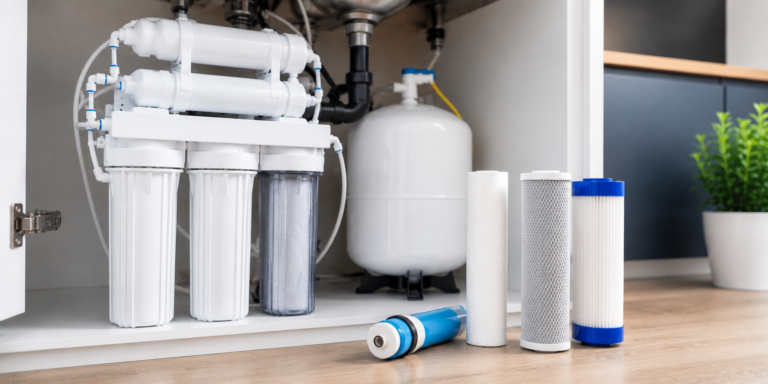
Reverse osmosis is often used in point-of-use drinking-water systems because it can reduce many dissolved contaminants. Properly designed systems may help reduce arsenic and nitrates, but performance depends on the type of contaminant, the membrane, pre-treatment, water pressure, and overall system configuration.
For arsenic, the form of the contaminant is especially important. Some systems may require pre-treatment or oxidation to improve removal. For nitrates, the system must be specifically designed and rated for nitrate reduction.
Always check the manufacturer’s performance data and look for independent certification where available. A product should clearly identify the contaminants it is designed to reduce rather than relying on vague promises.
Choosing a Water Treatment System Carefully
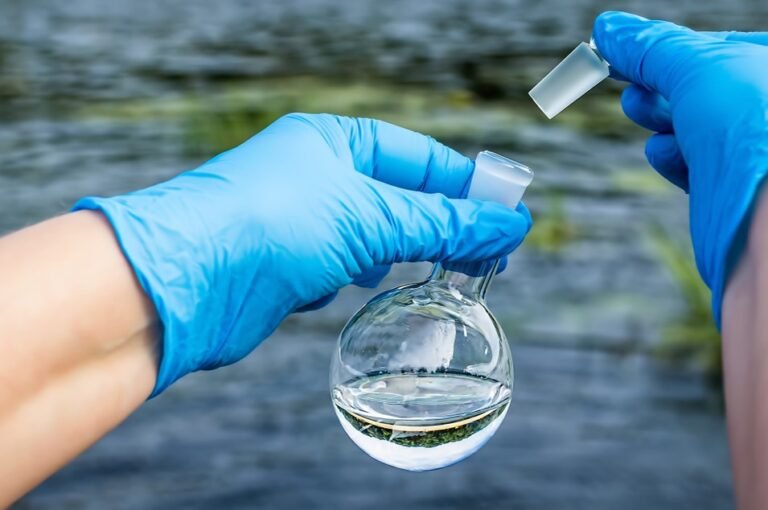
Before purchasing treatment equipment, begin with a laboratory water test. Ask for analysis that includes the contaminants relevant to your location and water source. If you use a private well, testing for bacteria, nitrates, arsenic, and other regionally common contaminants may be appropriate.
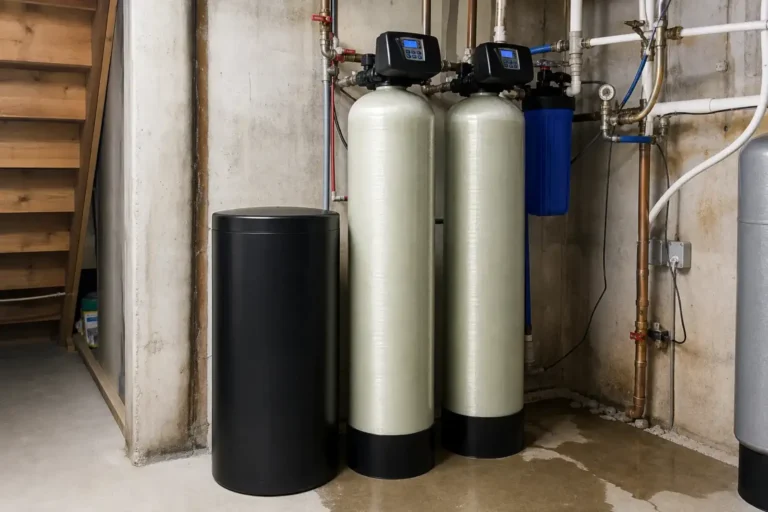
Next, consider whether you need treatment at one faucet or throughout the home. Point-of-use systems are often practical when the main concern is water used for drinking and cooking. Whole-house treatment may be more suitable when the water has broader quality problems, but it can also be more expensive and require more maintenance.
A reputable water-treatment professional should explain the test results, recommend equipment based on evidence, and discuss filter replacement costs before installation.
Maintenance Makes a Difference
Even the right filtration system can lose effectiveness if it is neglected. Filters and membranes need replacement according to the manufacturer’s schedule. Storage tanks, tubing, and faucets should also be maintained properly to prevent hygiene issues.
Keep records of filter changes and test the treated water periodically, especially when dealing with contaminants that cannot be detected by taste or smell. A system that worked well during installation may not continue performing properly if pressure drops, cartridges become exhausted, or components are damaged.
A More Confident Approach to Water Quality
Arsenic and nitrates may sound intimidating, but understanding them makes the situation more manageable. The most important step is not to panic or purchase the first filtration product you see. It is to test the water, identify the actual concern, and choose treatment that has verified performance.
With the right information and regular maintenance, households can take practical steps toward safer drinking water and great-tasting water. Clean water is not only about what comes out of the tap today. It’s also about having confidence in the system behind that tap and knowing that your decisions are based on facts rather than assumptions.