Hard water is one of those household issues you can usually recognize before you know exactly what is causing it. There may be a cloudy film on the shower glass, stubborn marks around the kitchen faucet, or dishes that never seem to come out of the dishwasher looking quite right. Maybe your soap feels different, too.
The culprit is often minerals naturally present in the water.
These minerals aren’t necessarily a reason to panic. In fact, many are naturally occurring substances found in groundwater. The problem is more about what happens when they build up over time. They can leave scale on fixtures, affect appliances, and make ordinary cleaning feel like a never-ending chore.
Understanding what those minerals do makes it easier to decide whether water treatment is actually worthwhile.
What Makes Water Hard?
Water hardness is mainly associated with dissolved minerals, particularly calcium and magnesium. Groundwater picks up these minerals as it moves through rocks and soil, and the concentration can vary considerably depending on local geology.
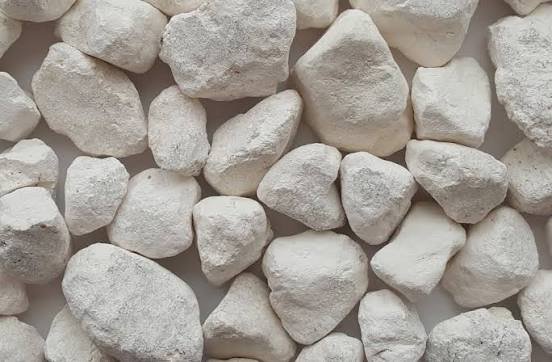
calcium is especially common in groundwater and can contribute to the formation of scale when water evaporates or is heated. That’s why you may see deposits around faucets or inside water-heating equipment.
Hardness isn’t usually something you can identify simply by looking at a glass of water. The water may appear perfectly clear. Instead, the clues tend to show up gradually — spots, residue, scale, and changes in how soap behaves.
It’s one of those problems that creeps into your routine rather than announcing itself.
Why Lime Scale Keeps Coming Back
If you’ve ever cleaned a showerhead only to see white deposits return a few weeks later, you’re familiar with the frustration of lime scale.
Lime scale is commonly associated with deposits formed from hardness minerals, particularly when water is heated or allowed to evaporate. Bathrooms and kitchens are common places to notice it because fixtures are constantly exposed to water.
Cleaning removes the existing deposits, but it doesn’t change the mineral content of the incoming water. So the cycle can repeat.
This is why homeowners sometimes feel as though they’re losing a battle with their faucets. You’re not necessarily cleaning incorrectly. You’re simply treating the symptom instead of changing the underlying water condition.
Magnesium Plays Its Part Too
Calcium tends to get most of the attention, but magnesium is another important contributor to water hardness.
Like calcium, magnesium can form mineral deposits and affect the way water behaves with soaps and detergents. The combined concentration of these minerals is what generally determines how hard the water is.
The balance varies from one water source to another. That’s why two homes in different locations can have noticeably different experiences, even when both receive otherwise normal drinking water.
Testing is the easiest way to move beyond guesswork.
What Hard Water Can Do to Appliances
Water heaters are particularly vulnerable to scale because heating encourages mineral deposits to form.
Over time, scale can accumulate on heating elements or other internal surfaces. This can interfere with heat transfer and may contribute to reduced efficiency or maintenance issues.
Dishwashers and washing machines can also be affected by mineral buildup, especially when water hardness is high.
You may not notice the effect immediately. Hard-water damage tends to develop slowly, which makes it easy to ignore until a repair is suddenly necessary.
Regular inspection and maintenance can help catch problems before they become expensive.
Your Shower Might Be Giving You Clues
Bathrooms are often where hard water becomes most visible.
Glass doors develop spots. Showerheads become clogged with deposits. Faucets lose their shine. Soap residue seems harder to rinse away.
You can clean these surfaces with appropriate household products, but if the incoming water remains hard, deposits will keep returning.
A water softener can reduce the minerals responsible for hardness before they reach the fixtures. This doesn’t mean you’ll never have to clean the bathroom again — unfortunately, no water treatment system has quite that superpower — but it can reduce the mineral burden considerably.
Hard Water and Cleaning
Hard water can change the way soap interacts with water. Some people notice that they need more soap or detergent to get the result they want.
Laundry can also feel different. Fabrics may become less soft, and white clothing can sometimes appear dull over time.
Again, the experience varies depending on the actual hardness level and other characteristics of the water.
If cleaning products seem to be working poorly despite using reasonable amounts, water hardness may be one factor worth investigating.
Is Hard Water Unsafe?
This is an important distinction.
Hardness itself is generally considered a water-quality issue rather than automatically a sign that the water is unsafe to drink. Calcium and magnesium are naturally occurring minerals, and they are also dietary nutrients.
However, water can have other contaminants that aren’t related to hardness. A softener doesn’t remove every possible substance in water.
That’s why treatment decisions should be based on testing rather than assuming that solving hardness solves all water-quality concerns.
If you have concerns about a specific contaminant, test specifically for it.
How Water Softeners Work
Traditional water softeners typically use ion-exchange resin. As hard water passes through the resin, calcium and magnesium ions are exchanged for sodium or another regenerating ion, depending on the system.
Eventually, the resin becomes loaded with hardness minerals and needs regeneration.
Modern systems can be programmed around household water use and hardness levels. Proper settings matter because an incorrectly configured softener may use more salt or water than necessary.
A correctly sized and maintained system should provide consistent performance without excessive waste.
Not Every Home Needs a Softener
It’s tempting to assume that every home with hard water needs a full treatment system.
Not necessarily.
The severity of the hardness, household preferences, plumbing, appliance concerns, and budget all matter.
Some homeowners are perfectly comfortable with moderately hard water and simply clean fixtures more often. Others dislike the feel of the water or want to minimize scale throughout the home.
There is no universal answer. The right choice depends on how the water affects your household.
Testing Gives You a Better Starting Point
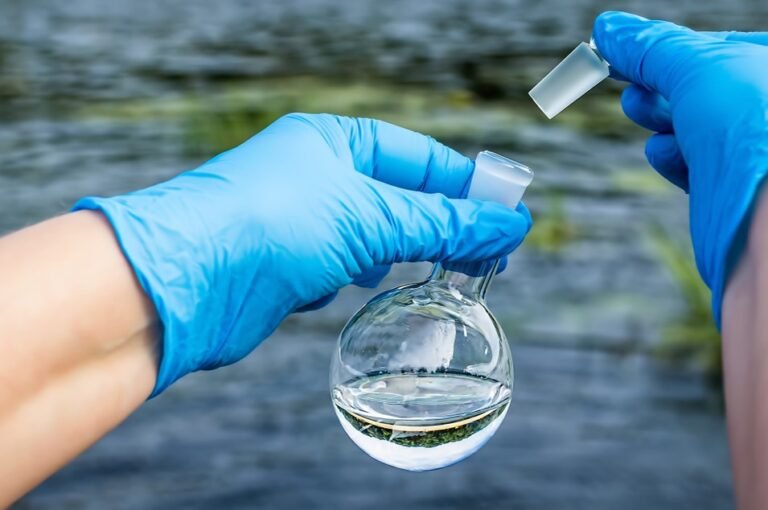
If you’re considering treatment, start with a water analysis.
A test can show the hardness level and may also provide information about pH, iron, manganese, dissolved solids, chlorine, and other characteristics depending on the testing package.
This information helps determine whether softening is appropriate and whether additional treatment might be necessary.
It also gives you something concrete to compare after installation. If you test the water again later, you can see whether the treatment is performing as expected.
Numbers aren’t always exciting, but they’re much more useful than guessing.
Maintenance Still Matters
Installing a softener doesn’t mean you can forget about it.
Salt or regenerant needs to be replenished in systems that use it. The control valve and settings may require occasional inspection. Resin eventually has a service life, although it can often last many years under suitable conditions.
Watch for changes in water quality or the return of scale. If hardness symptoms suddenly come back, the issue could be an empty salt tank, a setting problem, a mechanical fault, or something happening with the incoming water.
Don’t immediately assume the equipment needs replacing.
A Sensible Approach to Hard Water
Hard water is rarely an emergency, but it can be a persistent nuisance. Over months and years, those little deposits can become part of the household routine — and not in a particularly charming way.
The best approach is simple: understand your water first, identify the actual hardness level, and decide how much treatment makes sense for your home.
If scale is damaging fixtures and appliances or the water simply doesn’t feel right, a properly selected softening system may make everyday life easier.
But treatment should be targeted. You don’t need to turn your utility room into a laboratory just because your showerhead has a little scale.
Know what is in the water, understand what the treatment is designed to do, and maintain the equipment once it’s installed.
That’s usually enough to turn hard water from a constant annoyance into a manageable household issue.