Water is one of those things most people don’t think much about until something goes wrong. A strange taste in the glass, white buildup around faucets, cloudy water, or an appliance that seems to wear out too quickly can suddenly make water quality feel like a much bigger issue than it was yesterday.
The good news is that improving household water doesn’t always mean buying the most expensive system on the market. In fact, the smartest approach usually starts with understanding what is actually in your water, what you want to improve, and what kind of treatment makes sense for your home.
That’s where professional advice can make a real difference. Instead of guessing, homeowners can use testing and consultation to build a clearer picture before spending money.
Start With the Water, Not the Equipment
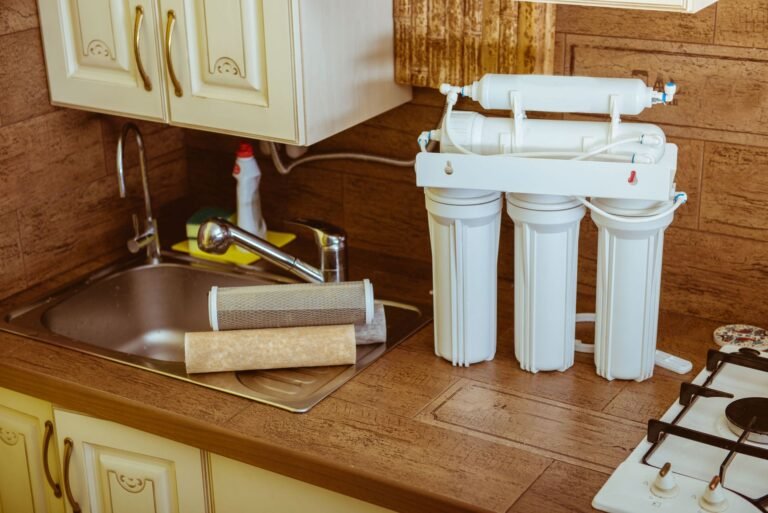
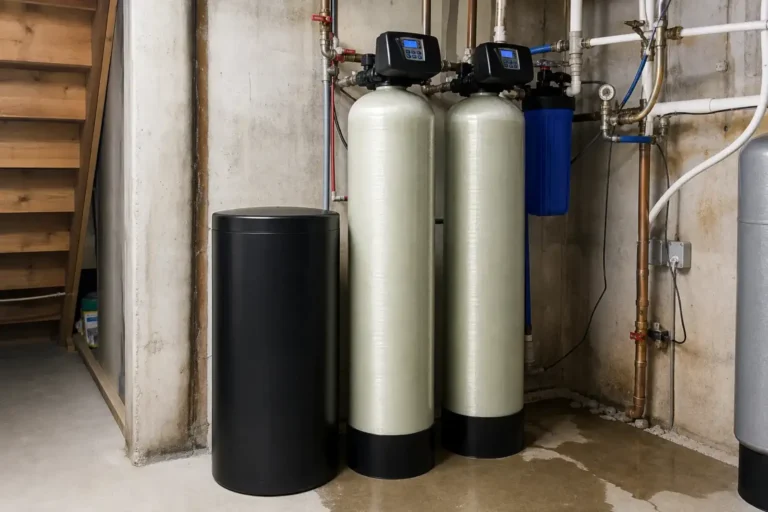
It’s easy to become fascinated by the equipment itself. Water softeners, filtration systems, reverse osmosis units, carbon filters and other technologies all have their place. But a system should solve a problem, not simply look impressive in a brochure.
For example, hard water may leave mineral deposits on shower doors and fixtures, while chlorine can affect taste and odor. Other water-quality concerns may require completely different treatment methods. If you don’t know which issue you’re dealing with, choosing equipment becomes a bit like buying glasses without knowing your prescription.
A proper assessment can help identify the characteristics of the incoming water and determine whether treatment is necessary at all.
Why Accurate Estimates Matter
Once the water issue is understood, the next question is usually cost. This is where homeowners should look beyond a simple equipment price. Installation, plumbing modifications, maintenance, replacement filters, salt or other consumables can all affect the long-term expense.
Reliable water system estimates should account for the actual requirements of the property rather than offering a vague one-size-fits-all number. A smaller home with relatively simple plumbing may need a very different setup from a large household with high water demand.
A good estimate should also explain what is included. Is installation covered? Are warranties provided? What maintenance will be required later? Asking these questions upfront can prevent unpleasant surprises after the work begins.
Testing Gives You Something Concrete to Work With
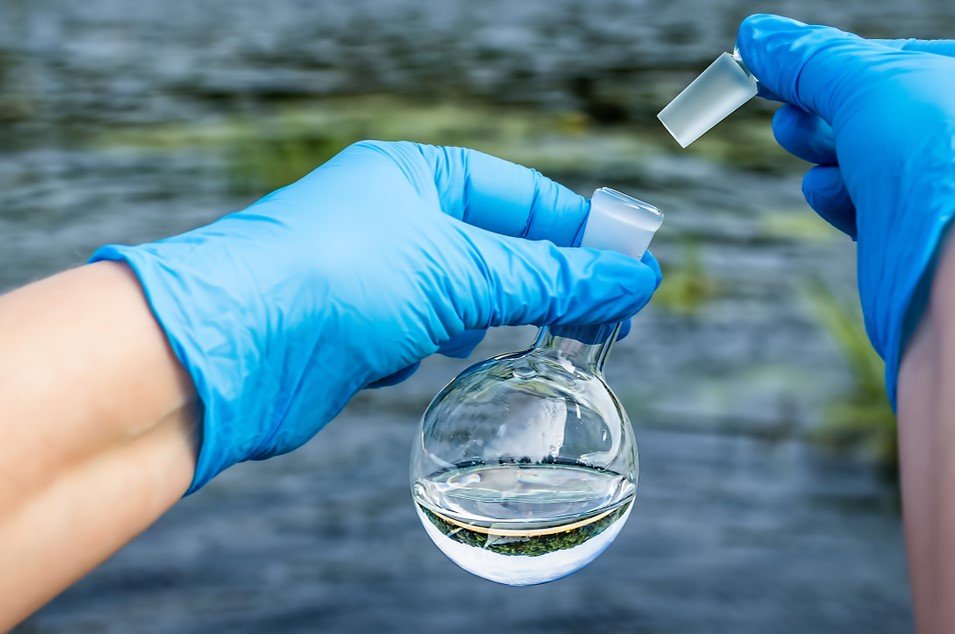
Water can look perfectly clear and still contain characteristics that affect taste, plumbing, appliances or overall usability. That’s why testing is such an important starting point.
Homeowners can consider free water testings when available, particularly when they’re unsure whether they have hard water, excessive chlorine, unusual odors, or another common concern. Testing isn’t about creating unnecessary worry. It’s about replacing assumptions with information.
The results can also help determine whether a treatment system is worthwhile. Sometimes a relatively simple filtration solution is enough. In other situations, a more comprehensive approach may be appropriate.
Most importantly, testing should be followed by a straightforward explanation. Numbers on a report aren’t especially helpful if nobody explains what they mean for everyday life.
Choosing Equipment With the Long Term in Mind
A water treatment system isn’t something you generally want to replace every few years. That makes durability and maintenance worth considering alongside the initial purchase price.
Look for quality products from manufacturers with established specifications, clear warranties, and accessible replacement components. The cheapest option isn’t necessarily the least expensive over time. A system that requires frequent repairs or hard-to-find parts can become frustrating quickly.
On the other hand, buying far more equipment than your household needs doesn’t automatically provide better results. Bigger isn’t always better in water treatment. The right capacity, technology and configuration depend on water conditions and household usage.
Think About the Whole House
One common mistake is focusing on drinking water while overlooking the rest of the plumbing system. Of course, drinking and cooking water deserve special attention, but water also interacts with showers, washing machines, dishwashers, water heaters and fixtures every day.
Hard water, for instance, can contribute to scale formation. Over time, that buildup may affect plumbing components and appliances. Filtration can also improve certain taste and odor concerns, making ordinary tap water more pleasant to drink.
The best solution depends on the source water and the problem you’re trying to address. Municipal water and private well water can have very different characteristics, so copying a neighbor’s setup isn’t necessarily a good idea.
Maintenance Is Part of the Deal
Even a well-designed treatment system needs attention. Filters eventually become saturated, softener components need servicing, and some systems require periodic inspection to maintain proper performance.
Before purchasing anything, ask what routine maintenance looks like. How often do filters need replacement? What does service cost? Can homeowners handle basic maintenance themselves, or is professional service recommended?
These details may seem minor during installation, but they become important six months or two years later. A system that’s easy to maintain is much more likely to remain useful for the long haul.
Be Careful With Big Promises
Water treatment marketing can sometimes sound a little too good to be true. Claims about dramatically transforming every aspect of household water should be treated carefully.
A trustworthy provider should be willing to discuss both the benefits and limitations of a treatment method. No single technology is designed to solve every possible water-quality concern. Good recommendations are based on testing, water source, household needs and realistic expectations.
It’s also reasonable to ask for documentation. Product specifications, warranty information, maintenance requirements and installation details shouldn’t be mysterious.
A Better Way to Make the Decision
The process doesn’t need to be complicated. Start by identifying what you have noticed: taste, odor, scale, staining, dryness, or concerns about water quality. Then have the water evaluated. From there, compare treatment options and understand the total cost of ownership.
Take your time with the estimate. Ask questions. If two providers recommend completely different solutions, ask each one to explain why. Sometimes the differences are legitimate because the systems use different technologies. Other times, the explanation may reveal that one recommendation simply isn’t suited to your situation.
A little research here can save both money and frustration later.
Good Water Treatment Is About Fit
There isn’t one perfect water system for every home. Water chemistry varies, household habits vary, budgets vary, and expectations vary too.
What matters most is finding a solution that matches the actual water conditions and the way your household uses water. Testing provides useful information, professional guidance can clarify the options, and a transparent estimate makes the financial side easier to understand.
In the end, better water treatment isn’t really about owning the fanciest equipment. It’s about making a sensible decision based on evidence rather than guesswork. When the system fits the home, is properly installed, and receives the maintenance it needs, the benefits can become part of everyday life—quietly, reliably, and without much fuss.