
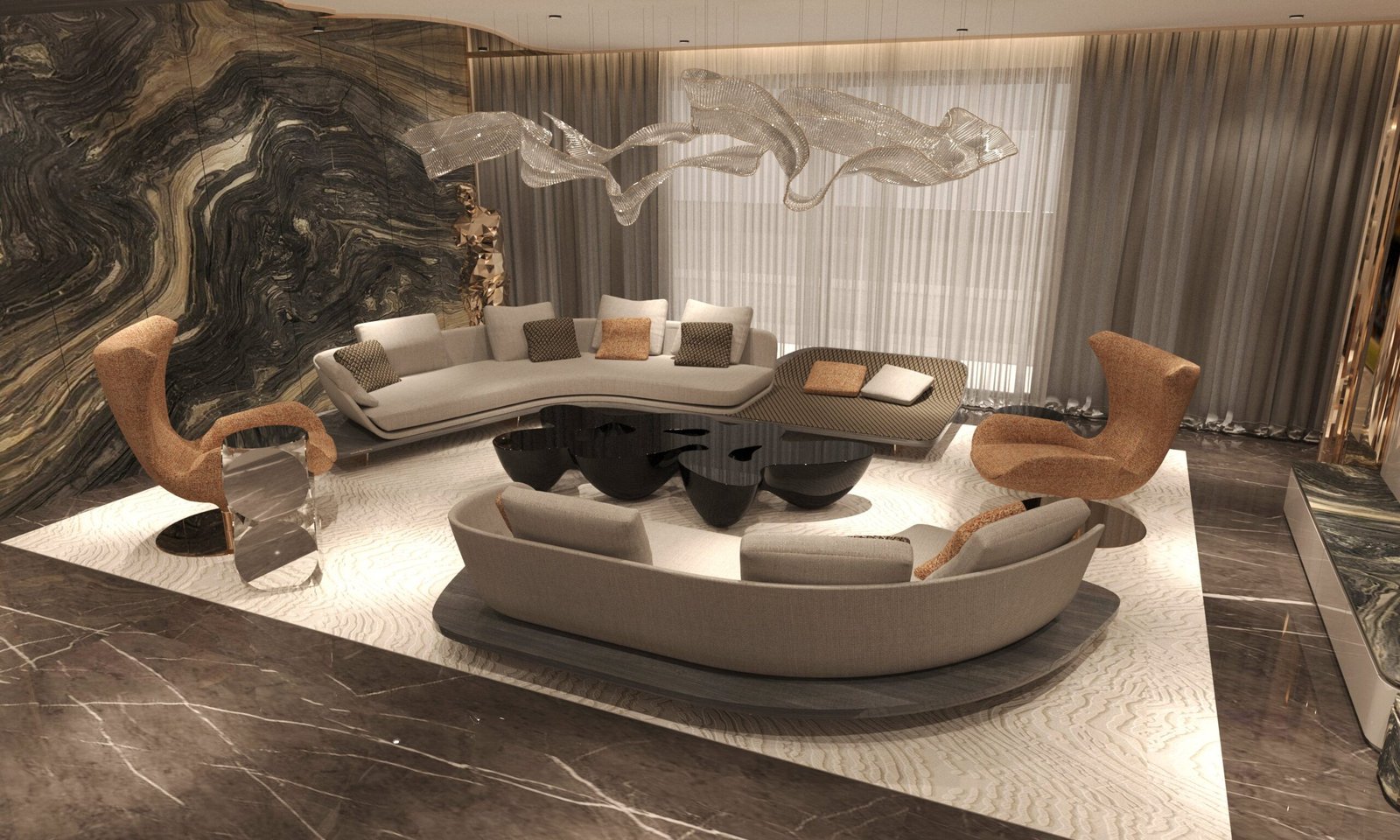
There’s a moment in every home project when an idea stops being just an idea. You can suddenly picture the morning light coming through the windows, the chair you’ll sit in with a book, or friends gathered around the kitchen island on a Friday evening. Before that moment, though, a home exists mostly as drawings, samples, measurements, and conversations. Turning those pieces into something personal takes more than a good eye. It takes patience.
The strongest interiors usually begin with understanding rather than decoration. A designer needs to know how a home will actually be lived in. Are weekday mornings rushed? Does everyone gather in the kitchen? Is there a dog that seems to own half the house? Do the owners love entertaining, or would they rather have a quiet corner where they can disappear for an hour?
Those details might not sound particularly glamorous, but they shape good design.
Letting Ideas Develop Naturally
The first design conversation can be exciting. There are possibilities everywhere — colors, textures, architectural details, furniture, lighting, artwork. It’s tempting to make decisions quickly because everything feels fresh.
But strong initial concepts aren’t necessarily the ones that survive unchanged. Early ideas are often more useful as a starting point than a final destination. They help establish a direction and reveal what feels right, what feels wrong, and what deserves another look.
Sometimes a homeowner begins by imagining a very formal living room and later realizes they want something much more relaxed. Another person might picture an all-white kitchen until they see how beautifully warm wood works with the architecture. There’s no failure in changing course. Quite the opposite, really. Good design leaves room for discovery.
The early stage should feel a little exploratory. If every decision is locked down immediately, there’s less opportunity for the home to develop its own personality.
Listening to the Architecture
Every house has something to say, even if it takes a while to hear it.
The proportions of a room, the location of windows, ceiling heights, architectural details, and natural light all influence what belongs inside. A talented designer doesn’t try to hide these characteristics. They use them.
A room with generous windows might call for furniture that keeps the view open. A narrow room may benefit from lighter pieces and carefully considered circulation. A dramatic ceiling can handle stronger architectural lighting, while a quieter room may need texture and layered furnishings to create interest.
This is one reason copying a photograph from a magazine rarely produces the same feeling. The photograph belongs to a particular architecture, a particular amount of light, and a particular way of living. Your home has its own story.
Furniture Should Feel Like It Belongs
Furniture selection is where an interior often begins to feel genuinely personal.
It isn’t only about whether a sofa is beautiful. Is it comfortable? Is it the right depth for the people using it? Can someone walk behind it without feeling squeezed? Does the coffee table leave enough room for knees and feet? These practical questions matter more than they might seem.
The same goes for dining chairs, beds, occasional tables, desks, and everything else that gets used repeatedly. A beautiful chair that nobody wants to sit in isn’t doing much for the room.
As a project moves forward, final furniture placement deserves just as much attention as furniture selection. The last few inches can make a surprising difference. A chair shifted slightly toward a window can create a better reading spot. A sofa angled differently can make conversation feel more natural. A dining table positioned correctly can improve both circulation and the visual balance of an open room.
These aren’t dramatic changes, but homes are often made better through dozens of small decisions like these.
Creating Layers Instead of a Showroom
A finished home should feel collected, not assembled in one afternoon.
Layering is part of what gives an interior warmth. Rugs establish softness underfoot. Curtains frame windows and influence how a room feels. Lamps create pools of light in the evening. Artwork adds character, while books, objects, and personal pieces keep the space from becoming too polished.
And then there’s texture.
Smooth stone beside woven fabric. A soft sofa against a harder architectural surface. Natural wood next to metal or glass. These contrasts create visual depth without requiring everything to be loud.
It’s easy to underestimate the importance of these quieter elements. Yet they’re often what make a room feel comfortable rather than merely attractive.
Making Practical Choices Beautiful
There’s a misconception that practical decisions somehow have to compromise beauty. They don’t.
Storage can be beautifully integrated into millwork. Electrical outlets can be positioned where they’re actually useful. Window treatments can provide privacy while becoming an important part of the room’s composition. Lighting can be planned for everyday tasks while still creating atmosphere.
The trick is thinking about practical needs early enough.
Nobody wants to discover after installation that the bedside outlets are hidden behind a nightstand or that there’s no convenient place to charge a laptop. These are small frustrations, but small frustrations repeated every day have a way of becoming surprisingly annoying.
Good design anticipates them.
Why Professional Guidance Can Matter
Some homeowners have a strong sense of what they like but aren’t sure how to turn that instinct into a complete interior. Others know exactly what they want but don’t have the time to coordinate the many moving parts involved.
That’s where interior design services can bring real value. Professional guidance isn’t simply about choosing attractive furniture or fabrics. It can involve interpreting architectural plans, developing a cohesive visual direction, coordinating materials, considering lighting, sourcing furnishings, managing details, and making sure individual decisions still make sense together.
A designer also provides an outside perspective. When you’ve stared at the same room for months, it becomes surprisingly difficult to see what isn’t working. Someone with experience can notice proportion issues, missed opportunities, or simple changes that make the whole space feel more resolved.
The best partnerships aren’t about giving up control. They’re about having someone who can help turn a vague idea into something tangible.
Giving a Home Its Own Character
Perhaps the most satisfying interiors aren’t the ones where every detail looks expensive or perfectly coordinated. They’re the ones that feel believable.
A favorite old chair might sit beside a new sofa. A piece of art collected years ago may become the starting point for a room. There might be a little wear on the rug in the hallway because people actually walk there. And honestly, that’s part of the charm.
A home shouldn’t feel like a showroom that happens to have bedrooms.
It should feel lived in, even when it’s beautifully finished.
The design process works best when there’s enough structure to keep the project moving but enough flexibility to let good ideas evolve. From the first sketches to the final installation, every decision contributes something. Some will be obvious. Others may barely register consciously.
But when they all work together, something happens that’s difficult to measure.
The house begins to feel like yours.
Not because it follows a particular trend or looks perfect in photographs, but because it supports your routines, reflects your personality, and gives everyday life a comfortable place to unfold. And really, that’s what thoughtful interior design should be about in the first place.