Choosing a water filtration system can feel surprisingly complicated. There are different brands, filter stages, tank sizes, flow rates, certifications, and installation styles to consider. Add a few technical terms to the mix, and it’s easy to feel as though you need a plumbing degree just to buy a drinking-water filter.
The truth is, selecting the right reverse osmosis system doesn’t have to be overwhelming. The key is to understand what each component does and match the system to your household’s water quality, space, usage, and budget. A system that works well for a large family may be unnecessary for someone living alone. Likewise, a compact unit may not be ideal for a home with heavy daily water demand.
A little research before buying can help you avoid paying for features you don’t need while making sure the system handles the issues that actually matter.
Start with Your Water Quality
Before comparing filtration systems, find out what is present in your water. Municipal water supplies are treated and monitored, but their mineral content, chlorine levels, and taste can vary. Private well water may have even more variation depending on local geology, seasonal conditions, and the condition of the well.
A water test can help identify concerns such as hardness, sediment, iron, nitrates, lead, arsenic, fluoride, or other dissolved substances. Testing is especially important if your water has a persistent odor, unusual color, metallic taste, or a history of contamination concerns.
Once you know what needs to be reduced, you can select a system based on verified performance rather than attractive packaging. Not every reverse osmosis unit removes every contaminant, and no system should be chosen solely because it has a long list of filtration stages.
Understanding Pre and Post-Filters
Reverse osmosis membranes are highly effective, but they need protection. This is why many systems include pre and post-filters that support the membrane and improve the final taste of the water.
Prefilters usually come before the reverse osmosis membrane. A sediment filter captures particles such as sand, dirt, rust, and silt. An activated carbon filter may reduce chlorine and certain organic compounds that could damage the membrane or affect water taste.
After water passes through the membrane, a post-filter is often used to polish the water before it reaches the drinking faucet. This final stage can improve flavor and remove any remaining unpleasant taste picked up during storage.
The number and type of filters vary between models. Some systems use two prefilters, while others include additional stages for remineralization, pH adjustment, or specialized contaminant reduction. What matters most is whether the filters are useful for your water conditions and whether replacement cartridges are easy to find.
Pay Attention to Certifications
Water filtration claims can sound impressive, but homeowners should look beyond marketing language. Independent certifications can help confirm whether a product has been tested for specific performance claims.
Depending on the system, certifications from organizations such as NSF or ANSI may relate to material safety, structural integrity, contaminant reduction, or other standards. A certification does not necessarily mean the system removes every possible impurity. Instead, it indicates that the product has been evaluated against particular requirements.
When shopping, check exactly what the certification covers. A system certified for chlorine taste and odor reduction may not be certified for lead, arsenic, or nitrates. The details matter, especially if your water test identifies a specific concern.
Look at Water Pressure and Flow Rate
Reverse osmosis systems need adequate water pressure to operate properly. If pressure is too low, the system may produce water slowly, waste more water, or struggle to fill its storage tank.
Most manufacturers list a recommended pressure range. If your home has low pressure, you may need a booster pump. This can improve performance, but it also adds another component that may require electricity, maintenance, and installation space.
Flow rate is another consideration. Reverse osmosis water is produced more slowly than ordinary tap water, which is why many traditional systems use a storage tank. If several people regularly need drinking water at the same time, look for a system with a suitable tank capacity or a tankless model designed for higher on-demand production.
Don’t confuse the advertised flow rate with the amount of water you’ll receive in real-world conditions. Temperature, pressure, membrane age, and incoming water quality can all affect performance.
Consider Space Under the Sink
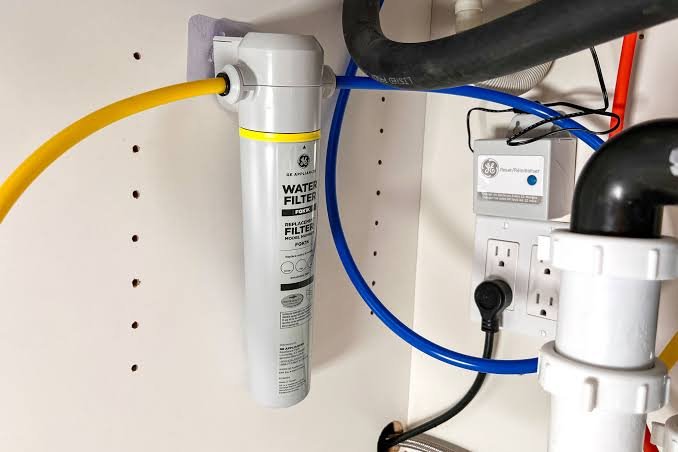
Kitchen cabinets are rarely as spacious as they appear. Pipes, garbage disposals, cleaning supplies, and storage containers can quickly fill the area beneath a sink. Before purchasing a filtration system, measure the available space carefully.
Some systems use a traditional storage tank, which can occupy a significant portion of the cabinet. Others use a compact tank or a tankless design. Modern space-saving designs may be appealing for smaller kitchens, apartments, and homes where cabinet storage is already limited.
However, compact does not always mean simple. Tankless systems may require electricity and sufficient water pressure. Some models also have larger filter housings or more complex installation requirements. Make sure the system’s dimensions include the space needed to change filters and access connections later.
A system that fits perfectly on installation day can become frustrating if there is no room to perform basic maintenance.
Electronic Monitoring Can Be Helpful
Some newer filtration systems include an electronic monitor that tracks filter life, water quality indicators, production, or system status. Depending on the model, the display may alert homeowners when a filter needs replacement or when a problem is detected.
These features can be useful for people who prefer reminders instead of keeping a manual maintenance calendar. They may also help identify unusual changes in performance before the issue becomes serious.
Still, electronic monitoring should be viewed as a convenience, not a replacement for proper care. A digital indicator may estimate filter life based on time or water usage, but it cannot always measure every aspect of water quality. Homeowners should continue following the manufacturer’s recommendations and replace filters when necessary.
If a system includes Wi-Fi connectivity or a smartphone app, consider whether those features genuinely add value. More technology can be helpful, but it can also increase cost and create additional points of failure.
Don’t Ignore Wastewater and Maintenance Costs
Traditional reverse osmosis systems send some water to the drain during filtration. The amount varies by design, water pressure, membrane condition, and system efficiency. High-efficiency models may reduce wastewater, so compare the recovery or waste ratio before making a purchase.
Maintenance costs are equally important. Prefilters may need replacement every few months, while post-filters and membranes typically last longer. Actual replacement schedules depend on water quality and household usage.
Ask whether replacement filters are readily available and how much they cost. A low-priced system may become expensive if its cartridges are proprietary or difficult to source. Also, check whether the membrane and other parts can be replaced individually instead of requiring an entirely new unit.
Tank or Tankless: Which Makes More Sense?
Traditional systems with storage tanks are often less expensive and can provide water quickly once the tank is filled. They are a familiar choice for many households, though they take up cabinet space and may need periodic sanitizing.
Tankless systems produce water on demand and generally have a smaller footprint. They may offer useful monitoring features and improved efficiency, but they can cost more initially and may require stronger water pressure or electrical access.
The right choice depends on your kitchen layout, daily water needs, budget, and willingness to manage installation requirements. There is no universal winner for every home.
Make the Decision Based on Your Actual Needs
A good reverse osmosis system should solve a real water-quality problem without creating unnecessary inconvenience. Start with water testing, review certified performance claims, understand the filter arrangement, and consider pressure, flow, space, wastewater, and maintenance.
Avoid choosing a system simply because it has the most stages or the most advanced-looking display. A simpler unit that is correctly matched to your water may perform better for your household than a complicated system filled with features you never use.
When selected carefully and maintained consistently, reverse osmosis can provide dependable drinking water while making everyday routines more convenient. The smartest purchase is not always the most expensive one. It’s the system that fits your home, your water, and the way you actually live.