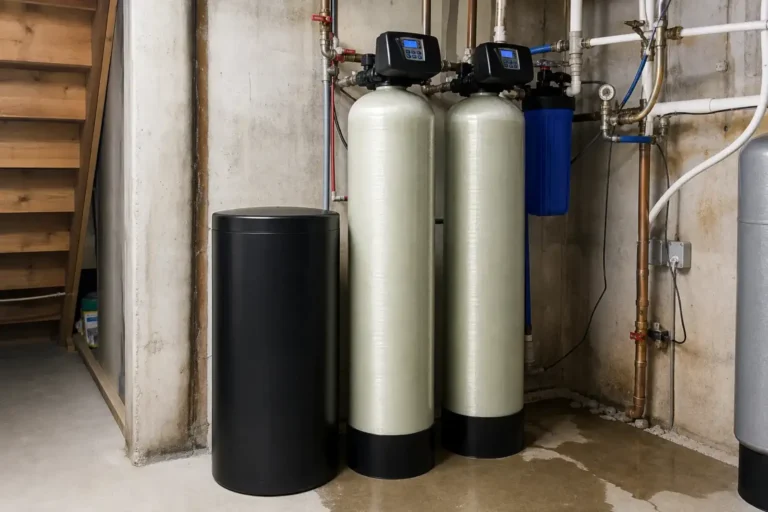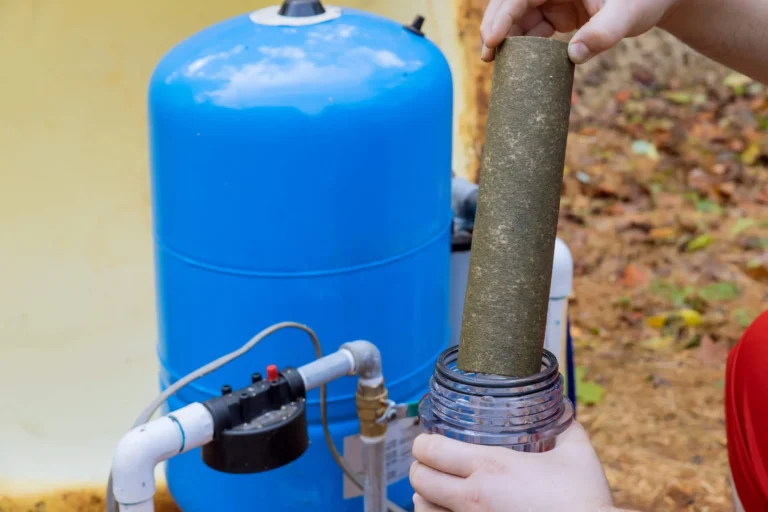

A house can look completely finished from the outside while a complicated network of infrastructure is quietly doing the real work underneath it. Water arrives through buried pipes, wastewater travels away, electricity enters through service connections, and communication networks keep phones, computers, and smart devices connected.
We rarely think about any of it until something stops working.
That’s when an ordinary Tuesday can suddenly turn into a headache. The lights go out, the internet disappears, or a utility crew arrives to dig across the front yard. Understanding the basics of underground utilities can help homeowners make better decisions when building, renovating, repairing, or simply maintaining a property.
The Hidden Network Beneath a Property
Underground utilities are not usually installed randomly. Their locations, depths, clearances, and connections need to be considered carefully during planning and construction.
Depending on the property, the underground network may include water and sewer pipes, electrical infrastructure, natural gas service, telecommunications, drainage systems, and other utilities.
Each has different requirements.
For instance, electric lines need to be installed according to applicable electrical and safety standards, while their routes also need to account for other underground infrastructure. Proper separation and accurate locating can help reduce the risk of accidental damage during future excavation.
It may not sound exciting, but good coordination underground prevents plenty of expensive surprises above ground.
Why Utility Locating Matters
Before anyone digs, knowing what is underneath the ground is essential.
A homeowner may remember where a water pipe was installed years ago, but memory isn’t always reliable. Construction plans can change, previous owners may have made modifications, and utility routes aren’t always exactly where someone expects them to be.
Professional utility locating can identify buried infrastructure before excavation begins. Depending on the utility and location, different locating technologies may be used.
This step is especially important before installing fences, decks, irrigation systems, trees, retaining walls, or additions.
A few minutes of planning can prevent a much bigger problem.
Gas Lines Require Particular Care
Gas infrastructure deserves special attention because damage can create serious safety risks.
Gas lines may supply natural gas to furnaces, water heaters, fireplaces, cooking appliances, and other equipment. Their installation and maintenance must follow applicable codes and utility requirements.
Homeowners should never assume they can safely locate, expose, move, or repair a gas line themselves.
If excavation is planned near a suspected gas line, the location should be confirmed through the appropriate utility-locating process before work begins.
And if a person smells gas or suspects a gas leak, the situation should be treated seriously. Leave the area if necessary and contact the appropriate emergency or utility service rather than attempting a DIY repair.
Fiber Optics Have Changed What We Expect From Connectivity
A few decades ago, a fast internet connection might have felt like a luxury. Today, it can be essential for work, school, entertainment, security systems, and everyday communication.
That is one reason fiber optics has become increasingly important in modern infrastructure.
Fiber networks transmit information using light through thin strands of glass or similar material. They can support very high data speeds and are widely used in telecommunications networks.
Like other underground utilities, fiber infrastructure needs careful planning. A line that is accidentally cut during excavation can interrupt service for homes, businesses, or entire areas.
The lesson is simple: communication infrastructure may not carry water, electricity, or gas, but it still deserves the same respect during construction.
Utilities Need Room to Coexist
One of the challenges of underground construction is that there isn’t unlimited space.
Water lines, sewer pipes, electrical conduits, gas services, telecommunications, and drainage infrastructure may all need to pass through the same general area.
Their routes need to be coordinated so one system doesn’t interfere with another.
Depth matters. So does horizontal separation. Access matters, too.
A utility that is technically installed correctly but impossible to reach later can become a maintenance nightmare.
Good planning considers not only where a utility can fit today, but how technicians will access it years from now.
Construction Can Put Existing Utilities at Risk
New construction isn’t the only time underground utilities matter.
Even relatively small home improvement projects can involve excavation.
Installing a swimming pool, planting a large tree, building a garage, replacing a driveway, or adding a drainage system may require digging.
Before starting, property owners should determine what utilities are present and where they run.
Heavy equipment can also create problems. A buried line might survive normal conditions for decades but become damaged when subjected to unexpected loads or excavation nearby.
Keeping utility records and using proper locating procedures can significantly reduce those risks.
What Happens When a Utility Is Damaged?
The response depends on what was damaged.
A broken communication cable may interrupt internet or phone service. Damage to a water line can cause flooding and loss of supply. Electrical damage can create serious hazards. A gas-line incident may require immediate evacuation and professional response.
The key is not to improvise.
If a buried utility is accidentally struck, work should stop and the appropriate utility provider or emergency service should be contacted. Trying to cover the damage and continue digging can turn a manageable incident into something much worse.
Safety comes first. Always.
Planning for Future Repairs
Infrastructure eventually needs maintenance.
Pipes may develop leaks. Conduits can require repairs. Connections may need replacement. Communication lines may be upgraded as technology changes.
This is why utility planning should include future access wherever possible.
Avoid placing permanent structures directly over important access points unless the design specifically accounts for maintenance. Keep records of installations and changes. Photograph buried infrastructure before trenches are closed if appropriate.
Those photographs can become surprisingly valuable later.
Utility Work and Landscaping Need to Get Along
Landscaping is one of the areas where underground utility planning is often forgotten.
A homeowner might plant a beautiful tree without realizing that its future root system could interfere with buried infrastructure. Irrigation lines may cross utility routes. Retaining walls may restrict access to existing pipes.
Before making major landscaping changes, check what’s underneath.
The same applies to driveways and patios. Decorative improvements can become expensive obstacles if a utility needs to be accessed later.
A little coordination between landscaping and utility plans can save a lot of frustration.
Professional Installation Has Long-Term Value
Utility installation isn’t just about getting a line from one location to another.
The work needs to account for materials, depth, routing, connections, local requirements, soil conditions, safety, and future maintenance.
Experienced contractors can also recognize problems that aren’t obvious to someone seeing the site for the first time.
That experience matters because underground mistakes are difficult to correct once everything has been covered with soil, concrete, asphalt, or landscaping.
Think Before You Dig
The infrastructure beneath a property may be invisible, but it isn’t unimportant.
Electricity, gas, water, sewer, and communication networks all play different roles, yet they share one major challenge: once they’re underground, mistakes can be difficult and expensive to fix.
Before digging, locate utilities. Before installing new services, coordinate the routes. Before covering trenches, document what has been installed.
These aren’t glamorous steps, but they are practical ones.
A well-planned underground utility network should fade into the background once construction is finished. You shouldn’t have to think about the lines beneath your lawn while making coffee, working online, or relaxing at home.
And that’s really the mark of good infrastructure—it works quietly, safely, and reliably, leaving you free to enjoy everything above the ground.