
Introduction
You’re getting traffic, maybe even a decent number of inquiries, but somehow most of them just… disappear before ever becoming paying customers. This is almost always a sign of a missing or broken sales funnel, not a product problem. Learning how to build a sales funnel means creating a deliberate path that moves someone from first noticing your business to confidently handing over their money — and doing it in a way that feels helpful, not pushy, at every stage.
Understanding the Stages of a Sales Funnel
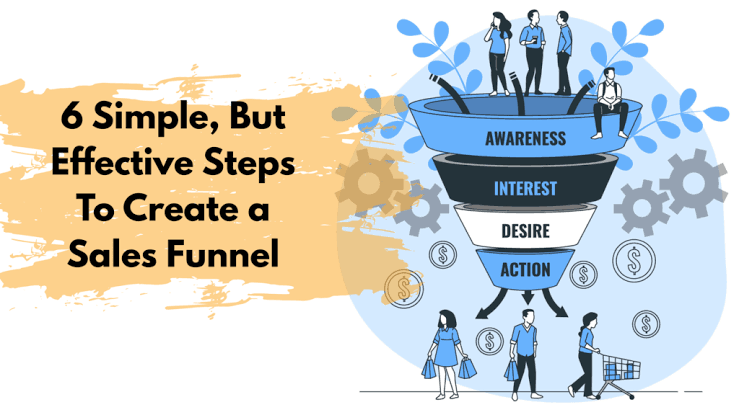
Quick Answer: A sales funnel typically has four core stages — Awareness, Interest, Decision, and Action — representing the journey a prospect takes from first discovering your business to becoming a paying customer, with each stage requiring a different type of content and messaging to move them forward.
- Awareness – Prospect discovers your business exists (through ads, search, social media)
- Interest – Prospect actively engages, reads content, or follows your brand
- Decision – Prospect compares options and considers your specific offer
- Action – Prospect makes the purchase decision
Mapping Content to Each Funnel Stage
Most businesses make the mistake of pushing a “buy now” message at every stage, which turns off prospects who aren’t ready yet. Match your content deliberately:
- Top of funnel (Awareness) – Blog posts, social media content, SEO-driven pages answering broad questions
- Middle of funnel (Interest/Decision) – Case studies, comparison guides, email nurture sequences, webinars
- Bottom of funnel (Action) – Free trials, demos, limited-time offers, direct sales conversations
Creating a Lead Magnet That Actually Converts
Quick Answer: A lead magnet is a free, specific piece of value — a checklist, template, or short guide — offered in exchange for a prospect’s contact information, and the best-performing lead magnets solve one narrow, immediate problem rather than trying to cover an entire broad topic.
Avoid generic lead magnets like “Ultimate Guide to Marketing” — instead, offer something specific like “5 Email Templates for Following Up With Cold Leads,” which attracts people genuinely close to your actual offer.
Building an Email Nurture Sequence
Once someone enters your funnel, an automated email sequence keeps them engaged without requiring manual follow-up for every single lead.
- Email 1 (Immediate): Deliver the promised lead magnet, set expectations for what’s next
- Email 2 (Day 2-3): Share a relevant case study or success story
- Email 3 (Day 5-7): Address common objections directly
- Email 4 (Day 9-10): Present a clear, time-bound offer or next step
[link to related guide about low-budget marketing strategies here]
Using Landing Pages to Improve Conversion
A dedicated, focused landing page for each offer consistently converts better than sending traffic to your general homepage, since it removes distractions and speaks directly to one specific promise. Keep the page focused on a single call-to-action, use clear headlines matching what brought the visitor there, and include social proof like testimonials or numbers wherever possible.
Tracking Funnel Metrics to Find Leaks
Quick Answer: The most useful way to improve a sales funnel is tracking conversion rates between each stage — if a large percentage of leads drop off between “interest” and “decision,” that’s specifically where your messaging or offer needs attention, rather than assuming the whole funnel is broken.
- Website visitors to lead magnet sign-ups (Awareness to Interest)
- Sign-ups to demo/consultation requests (Interest to Decision)
- Requests to closed sales (Decision to Action)
Track these weekly, and focus improvement efforts on whichever stage has the biggest drop-off, rather than spreading attention evenly across the entire funnel.
Retargeting Prospects Who Didn’t Convert
Most prospects won’t buy on their first interaction, which is completely normal — retargeting ads (through Facebook or Google) targeted specifically at people who visited your site or engaged with your lead magnet but didn’t purchase can recover a meaningful percentage of otherwise lost leads.
Common Sales Funnel Mistakes to Avoid
Businesses often build an elaborate funnel before validating that people even want the initial offer, or focus entirely on top-of-funnel traffic while neglecting the middle stages where most drop-off actually happens. Start simple — even a basic three-email sequence and one landing page — and add complexity only once you understand where your specific leaks are.
FAQs
Q1: How long should a sales funnel take to convert a lead into a customer? It varies significantly by industry and price point — simple, low-cost products might convert within days, while B2B or high-ticket sales funnels can reasonably take weeks or months.
Q2: Do small businesses really need a formal sales funnel? Yes — even a very simple version (a lead magnet plus a short email sequence) significantly improves conversion compared to hoping website visitors purchase immediately on their first visit.
Q3: What’s the difference between a sales funnel and a marketing funnel? They largely overlap, though “marketing funnel” typically emphasizes the awareness and interest stages, while “sales funnel” often extends further into the decision and closing stages involving direct sales interaction.
Q4: How do I know if my sales funnel is actually working? Track conversion rates between each stage consistently over time — a functioning funnel shows a reasonably predictable percentage of leads moving from one stage to the next, month over month.
Q5: What tools are commonly used to build a sales funnel? Popular options include Mailchimp or ConvertKit for email sequences, and landing page builders like Unbounce or even simple WordPress plugins, depending on budget and technical comfort.
Q6: Can a sales funnel work without paid advertising? Yes — organic traffic through SEO content, social media, and referrals can feed a sales funnel effectively, though it typically takes longer to build volume compared to paid traffic sources.
Conclusion
Learning how to build a sales funnel comes down to deliberately guiding prospects through Awareness, Interest, Decision, and Action, with content and offers matched specifically to where they are in that journey. Start small — one lead magnet, a short follow-up email sequence, and a focused landing page — then use conversion data to find and fix your biggest leak before adding more complexity. A working funnel, even a basic one, will convert more consistently than hoping visitors figure out the buying decision on their own.
Suggested Image Alt Text:
- “sales funnel stages diagram awareness to action”
- “landing page design for lead generation”
- “email nurture sequence flowchart for sales funnel”