
Introduction
You’ve hired good people, paid them fairly, and yet somehow they keep leaving within a year or two, and each exit costs you more than just the recruitment fee — it costs momentum, institutional knowledge, and team morale. The truth is, corporate culture is often the invisible factor behind why employees stay or go, far more than salary alone. If retention has become a recurring headache, the fix usually isn’t a bigger bonus — it’s a genuine look at the day-to-day experience of working at your company.
What Corporate Culture Actually Means in Practice
Quick Answer: Corporate culture is the sum of everyday behaviors, decisions, and unwritten norms within a company — how managers give feedback, whether mistakes are punished or discussed openly, and how much autonomy employees genuinely have — not the values printed on a poster in the office lobby.
Employees notice the gap between stated values and actual behavior faster than leadership often realizes, and that gap is usually what drives disengagement long before someone actually quits.
Why Employees Really Leave (It’s Rarely Just Salary)
Exit interview data across industries consistently shows a pattern that surprises many leaders.
- Lack of growth or learning opportunities
- Poor relationship with immediate manager, not senior leadership
- Feeling unrecognized or invisible despite good work
- Unclear expectations or constantly shifting priorities
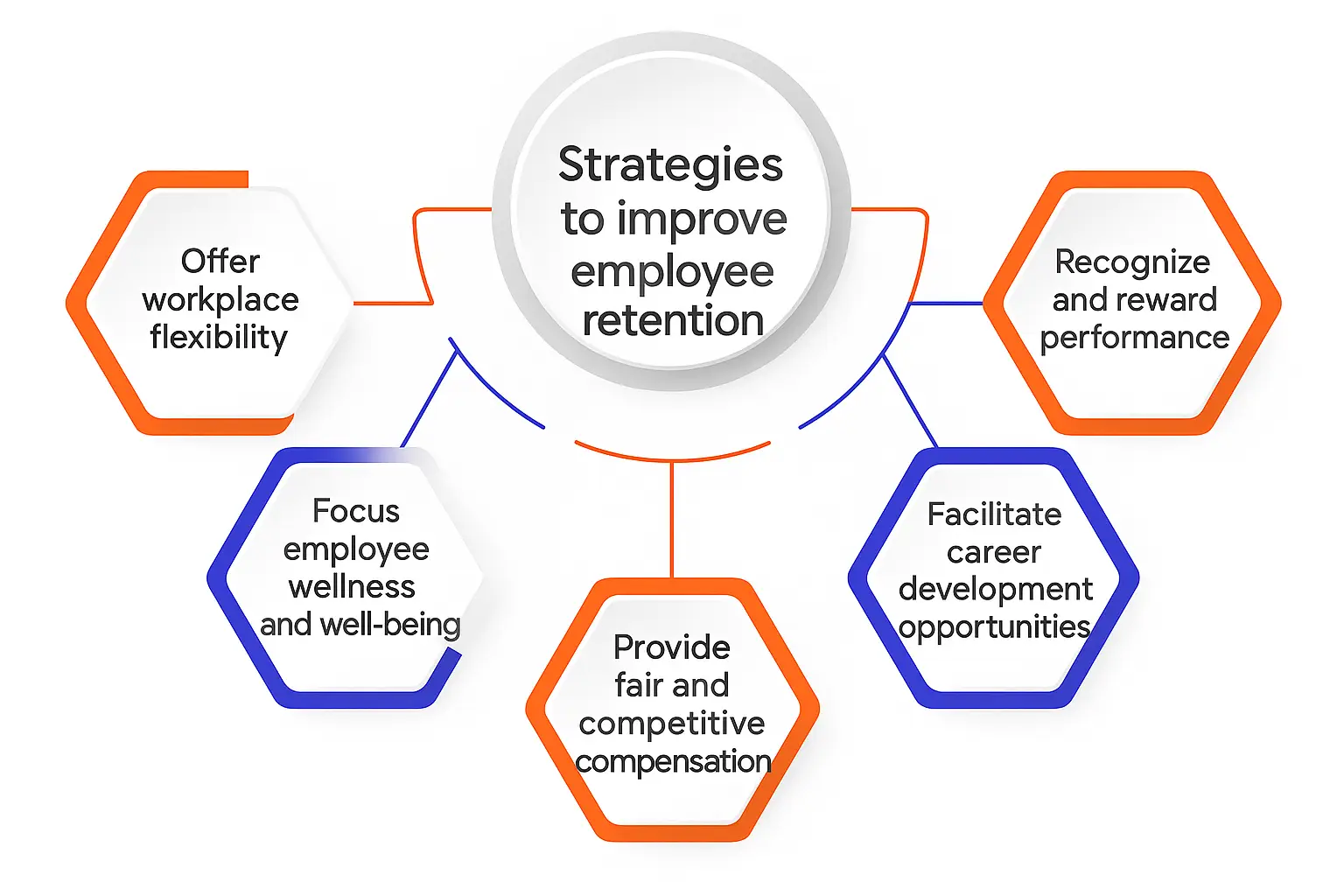
- Limited flexibility around work hours or remote options
Building Trust Through Transparent Communication
Employees who understand the “why” behind company decisions — a reorg, a missed target, a strategic pivot — tend to stay engaged even through difficult periods, while those left in the dark disengage quickly and start job hunting quietly.
- Hold regular all-hands meetings sharing both wins and honest challenges
- Train managers to explain the reasoning behind decisions, not just the decisions themselves
- Create anonymous feedback channels and actually act on the patterns you see
Investing in Growth and Learning
Quick Answer: Companies with strong employee retention typically invest visibly in learning and career growth — through internal mobility, training budgets, or mentorship programs — because employees who see a future within the company are significantly less likely to look outside for it.
Even a modest annual learning budget (₹10,000-₹20,000 per employee) signals genuine investment, and internal promotion paths matter just as much as external training, since employees want to see people actually growing within the organization.
The Manager Factor in Retention
A significant portion of employee turnover traces back to poor management, not company-wide issues. Invest in manager training specifically around feedback delivery, recognition, and one-on-one meeting quality — a manager who consistently checks in meaningfully retains talent far better than one who only communicates during performance reviews.
Recognition and Reward Systems That Actually Work
Generic annual awards rarely move the needle the way timely, specific recognition does. A manager publicly acknowledging a specific contribution within days of it happening carries far more weight than a delayed, generic “great job this year” during appraisal season.
[link to related guide about how to become a good leader here]
Flexibility as a Retention Lever
Post-pandemic expectations around flexibility haven’t reverted — employees increasingly value control over how and where they work, even in industries that traditionally required rigid office hours. Companies offering hybrid arrangements or flexible hours, even partially, report noticeably lower voluntary attrition in competitive talent markets.
Measuring and Monitoring Culture Health
Don’t wait for exit interviews to learn what’s wrong. Regular pulse surveys (quarterly, not just annually), tracking eNPS (employee Net Promoter Score), and monitoring internal mobility rates all give early warning signs of culture problems before they show up as resignation letters.
FAQs
Q1: How much does poor corporate culture actually cost a company? Beyond direct recruitment costs, replacing an employee typically costs 50-200% of their annual salary when you factor in lost productivity, training time, and team disruption during the transition.
Q2: Can a small business build a strong corporate culture without a big HR budget? Yes — culture is driven more by consistent behavior and communication than by budget, and small businesses often have an advantage since leadership is more directly visible to every employee.
Q3: How long does it take to meaningfully improve corporate culture? Genuine culture shifts typically take 6-12 months of consistent effort, since employees need to see repeated evidence of change before trusting that it’s real, not a temporary initiative.
Q4: Should we survey employees about culture, and how often? Quarterly pulse surveys tend to work well — frequent enough to catch issues early, but not so frequent that employees feel survey fatigue.
Q5: Is remote work bad for corporate culture? Not inherently — remote and hybrid companies can build strong cultures through intentional communication practices, though it does require more deliberate effort than organic in-office interactions.
Q6: What’s the single biggest factor in employee retention? Relationship with the direct manager consistently ranks as one of the strongest predictors of whether an employee stays or leaves, more than most other individual factors.
Conclusion
Building a strong corporate culture isn’t a one-time HR initiative — it’s the accumulation of daily decisions about how people are managed, recognized, and trusted with information. If retention has been a persistent problem, start by having honest, structured conversations with your current team about what’s actually driving disengagement, rather than assuming you already know the answer. The companies that retain talent best are usually the ones willing to hear uncomfortable feedback and act on it consistently.
Suggested Image Alt Text:
- “team meeting discussing corporate culture initiatives”
- “manager giving feedback to employee in office”
- “employee retention statistics infographic for companies”